Materials Guide
Materials & Glass, made simple.
Every impact door starts with a tested frame and laminated glass. The materials you choose shape how it looks, feels, and holds up to the South Florida climate.
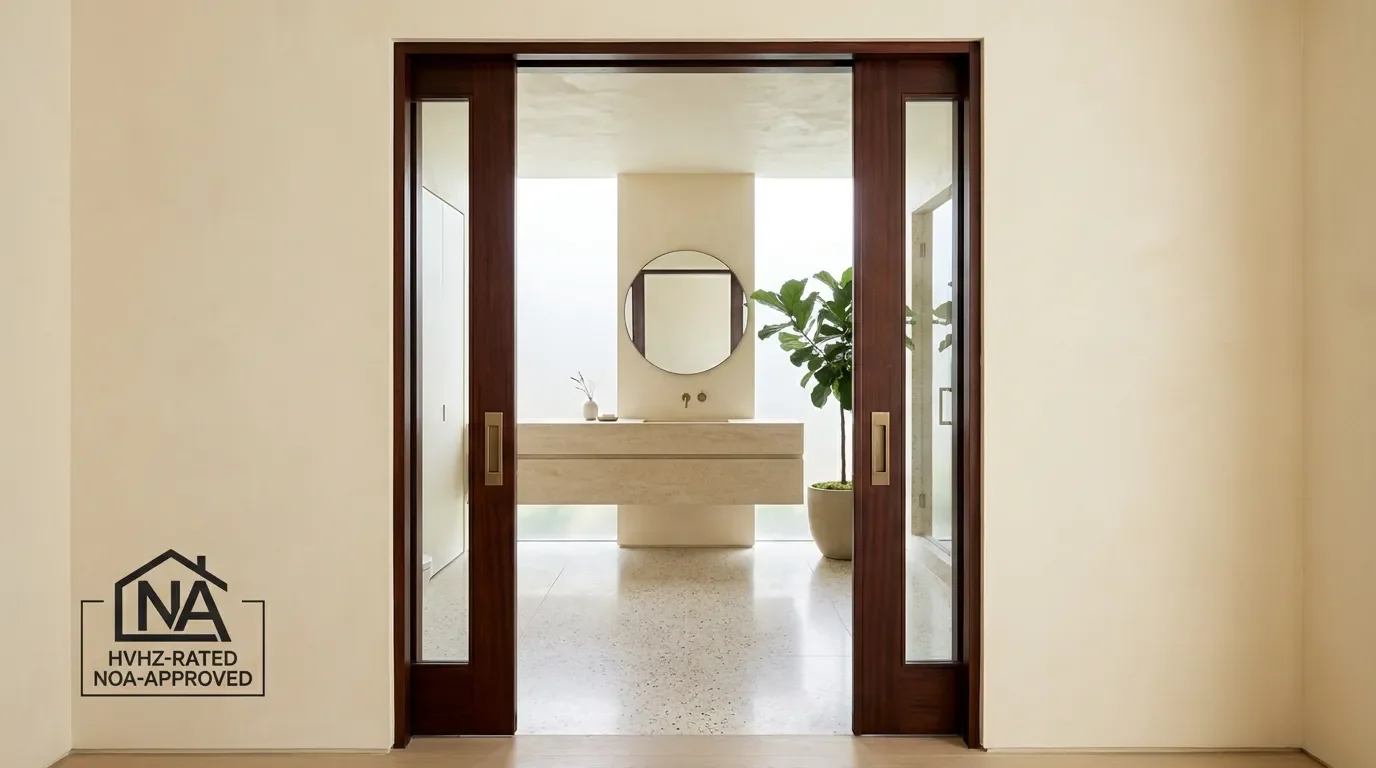
Miami-Dade NOA verified
What's inside
Three materials, one standard.
- 1
Aluminum is the most popular on the coast: light, strong, and resistant to salt-air corrosion.
- 2
Fiberglass wraps a foam core in a tough skin for superior insulation and wood-look finishes.
- 3
Steel delivers the highest forced-entry resistance, with a quality paint system to protect it.
The good stuff
Three choices that shape your doors
The glass
Laminated insulated glass with a PVB or SentryGlas interlayer holds together if it cracks. Low-E coatings can cut solar heat gain by up to 70%.
The frame
Aluminum for slim sightlines and coastal durability, fiberglass for insulation, steel for maximum security.
The finish
Powder-coated colors, wood-grain textures, and hardware finishes let the door match your home's style.
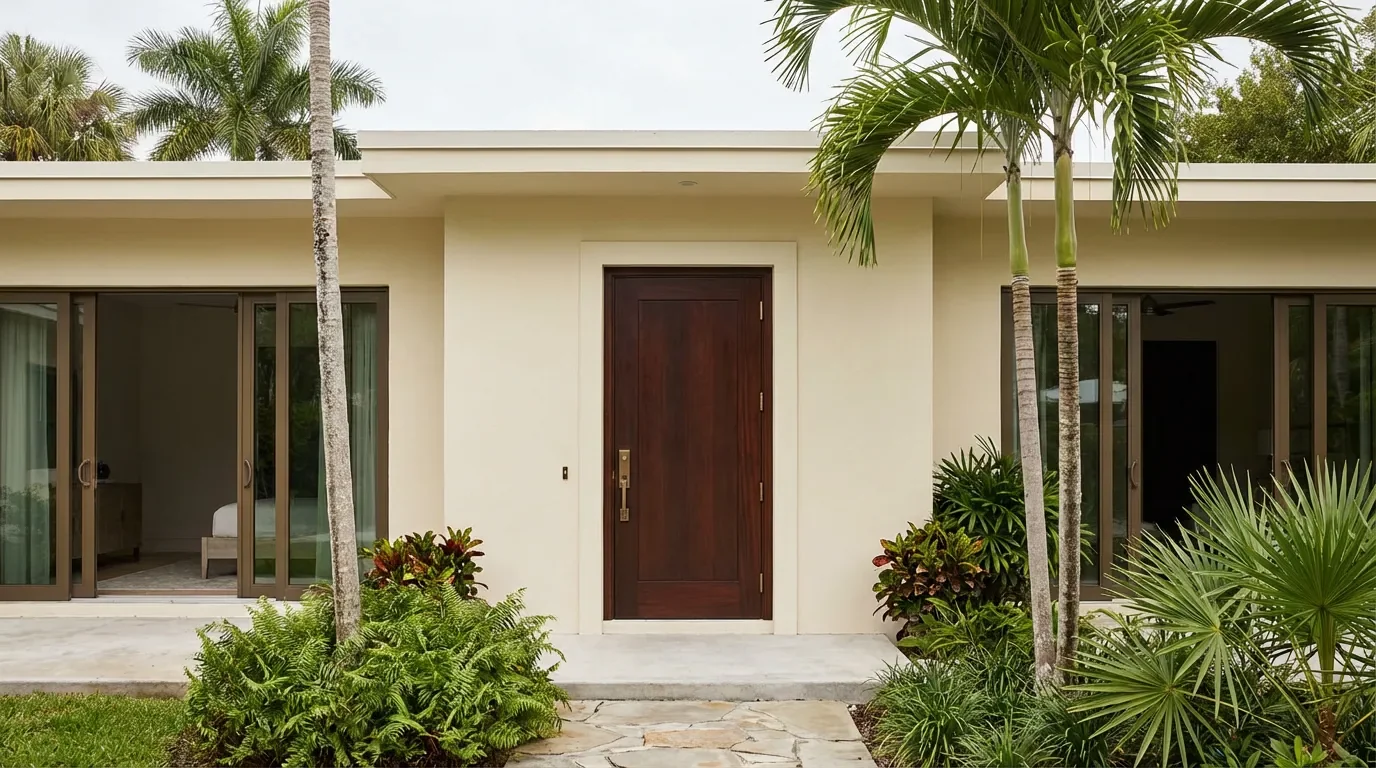
Where it shines
Quick guide
There's no single right answer. It depends on how close you are to the coast, how much sun the opening gets, and the look you want. During your free estimate we'll recommend a build for each door.
Choosing
Aluminum or fiberglass?
Aluminum Frame
- Excellent salt-air resistance
- Lower insulation; thermal break helps
- Widest choice of HVHZ products
- Slim sightlines, big glass
Fiberglass Frame
- Won't rust near the coast
- Natural insulator
- Can mimic wood grain
- Growing selection; confirm NOA
Questions
Good questions, straight answers.
Still wondering about something? Call 954-251-0866 and talk to a real person.
Free estimate
Let's find the right doors for your home.
A Haven consultant measures every opening, confirms your wind zone, and walks you through options with itemized pricing. No cost, no pressure.
- Permits and inspection handled for you
- Dedicated, long-tenured install crews
- Financing available
Tell us about your project
We'll respond within 24 hours.
Explore
More door types
General information based on current Florida Building Code requirements and Haven's field experience. Product approvals, sizes, costs, and timelines vary by home and municipality. Your free estimate confirms the details for your project. Verify any contractor's license at myfloridalicense.com.