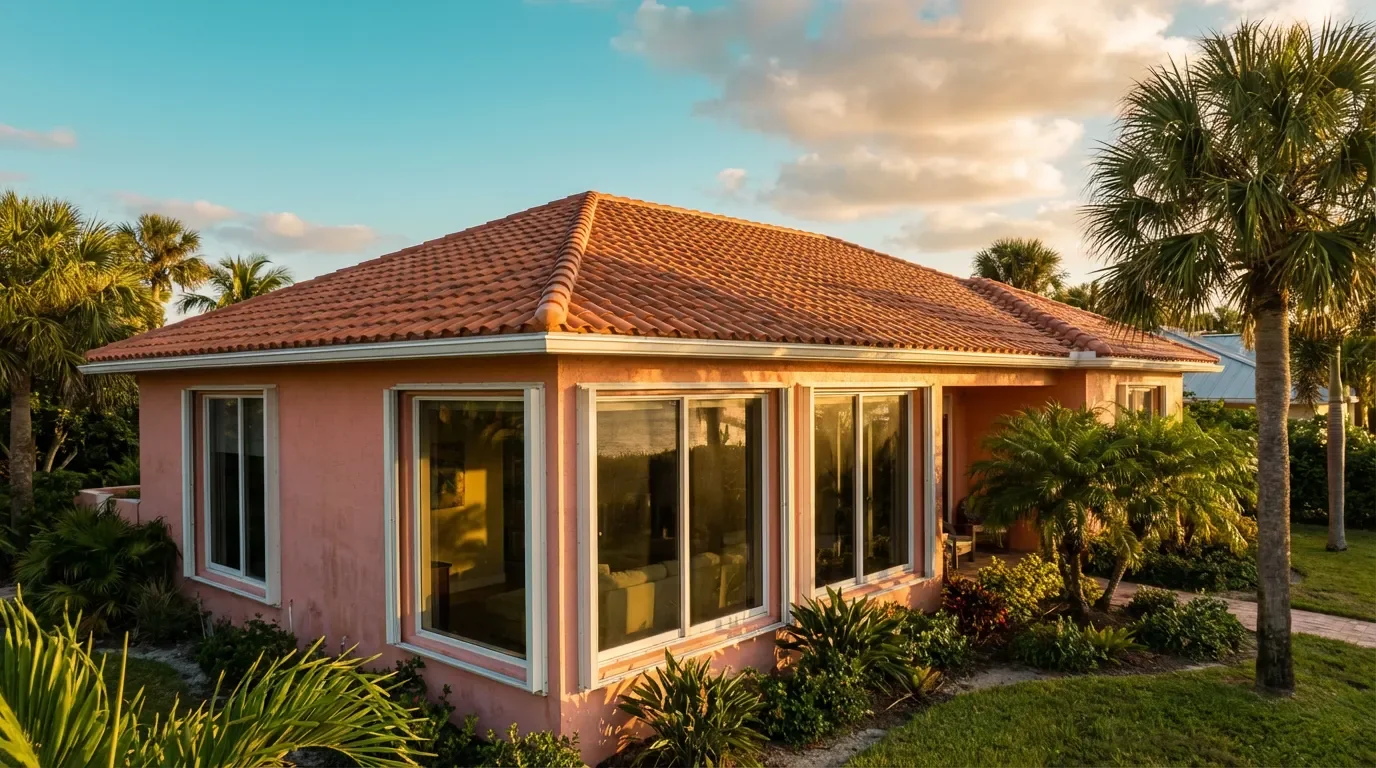
Why Painting Metal Roofing Matters in South Florida
Metal roofing in South Florida faces some of the harshest conditions of any climate in the United States.
UV index levels in Miami-Dade regularly top 11 on the EPA scale, enough to degrade standard latex paint in under two years. Salt spray from coastal areas like Miami Beach and Aventura accelerates oxidation on steel and aluminum panels. And the wet season delivers 60+ inches of rainfall annually, meaning any coating failure opens the door to rust and leaks.
A quality repaint does three things. It seals out moisture. It reflects solar heat: cool-roof coatings can cut attic temperatures by 20–30°F according to Energy Star data. And it restores curb appeal without the cost of a full tear-off. If you're comparing your options, our guide on what is the best roofing material breaks down long-term value across all common South Florida roof types.
More than three decades of South Florida construction experience sit behind every project Haven takes on. That history has taught the team one consistent lesson: the painting process is only as good as the prep work beneath it.
Which Paint Works Best on Metal Roofing?
Not every paint is safe for metal roofing in a coastal Florida environment. Three coating types dominate the market: acrylic elastomeric, silicone-based, and alkyd oil-based primers with a topcoat.
Each has a different use case. Acrylic elastomeric coatings are the most popular choice for Florida homeowners. They flex with the metal as it expands and contracts through the daily heat cycle. They're also water-based, so cleanup is easy. Look for products labeled ‘cool roof’ or ‘reflective roof coating’. These carry an Energy Star rating and reflect at least 65% of solar radiation.
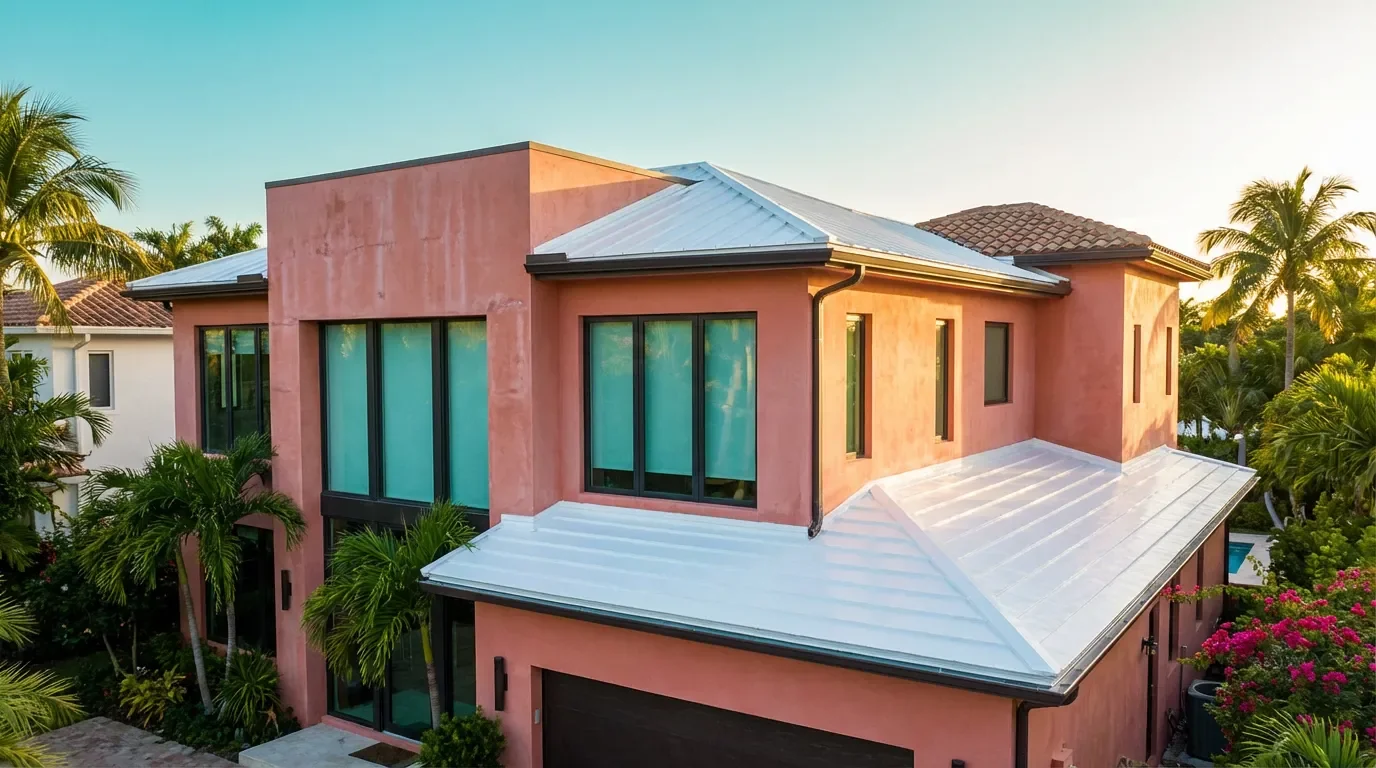
Silicone coatings offer superior water resistance and hold up well in ponding conditions. They cost more than acrylics and can feel slippery underfoot, which matters if you ever need a contractor to walk your roof. Alkyd primers are used as a base coat over bare, unpainted, or heavily rusted steel panels before a topcoat goes on. Skipping a proper primer on raw metal is the number one reason paint peels early. Check product approvals in the Miami-Dade NOA database before purchasing. Miami-Dade and Broward require Notice of Acceptance (NOA) approved materials on any permitted roofing work.
Paint Types for Metal Roofing at a Glance
- Acrylic elastomeric: Best all-around choice for South Florida. Flexes with metal expansion, reflects UV, and resists mildew. Choose a product with an Energy Star cool-roof rating.
- Silicone coatings: Excellent for flat or low-slope metal roofs that collect standing water. More expensive than acrylic but nearly waterproof when fully cured.
- Alkyd oil primer: Use this as a first coat on bare steel or heavily oxidized panels before applying any topcoat. Skipping it causes early delamination.
- Aluminum roof paint: A reflective aluminum-pigment coating that seals minor rust and bounces heat. Good as a budget refresh, but not a substitute for elastomeric on aging roofs.
- Avoid standard exterior latex: Regular house paint cannot handle the thermal expansion of metal roofing. It cracks, peels, and admits water within one to two Florida summers.
How to Paint Metal Roofing: Step-by-Step Process
Inspect for Rust, Damage, and Loose Panels
Walk the roof carefully and flag every area with rust bubbling, lifted seams, or cracked sealant. Small rust spots can be treated with a wire brush and rust converter. Larger corrosion means a section repair before painting. If you notice widespread damage, get a professional assessment, see our roof repair page for what that process looks like.
Clean the Entire Surface
Power-wash at 2,000–3,000 PSI to strip dirt, chalky oxidation, old paint flakes, and algae. South Florida roofs grow algae fast, especially in shaded sections. Let the surface dry completely. Metal should be dry for at least 24 hours before any coating is applied.
Apply Primer to Bare or Rusty Areas
Any spot where bare metal is exposed gets an alkyd oil primer. Feather the primer out several inches past the rust edge. Allow full cure time per the manufacturer's spec, usually 4–8 hours in South Florida heat.
Apply the Base Coat of Elastomeric or Silicone
Use a thick-nap roller (3/4 inch) for flat panels and a brush for seams and ridges. Apply the coating in thin, even passes. Two coats at the manufacturer's recommended mil (thousandths of an inch) thickness deliver better durability than one thick coat.
Inspect Seams and Apply a Second Coat
After the first coat dries, check all panel seams and fastener heads. Apply reinforcing fabric tape (polyester or fiberglass mesh) over any open seams before the second coat. This step is critical in HVHZ areas where wind uplift pries at weak joints during hurricane season.
Color Choice and Energy Efficiency in South Florida
Color matters more than most homeowners realize. Dark metal roofing absorbs heat aggressively. In a Miami summer, a dark panel can reach 160–180°F, transferring that heat straight into the attic below. Light colors and white coatings reflect up to 85% of solar radiation. That cuts cooling loads and lowers energy bills year-round.
If you live in a neighborhood with a homeowners association (HOA), check the governing documents before choosing a color. Coral Gables, for example, enforces strict architectural standards on roofing materials and finishes. Some HOAs require earth tones even when lighter colors would be more efficient. Always get written HOA approval before painting.
For homes near the coast (Miami Beach, Aventura) choose a coating with added mildewcide (an anti-fungal additive). Salt air and humidity create perfect conditions for black algae streaks. A coating without mildewcide will show staining within a year on coastal properties. You can learn more about how we approach metal roofing near the coast and the specific challenges of that environment.
Paint Metal Roofing vs. Replace It
| Feature | Paint / Recoat | Full Replacement |
|---|---|---|
| Upfront cost | Low to moderate ($1–$3 per sq ft) | Higher ($7–$15+ per sq ft installed) |
| Best when | Panels are structurally sound, rust is minor | Widespread rust, failed seams, or age 30+ years |
| Expected lifespan added | 10–15 years with quality elastomeric | 40–70 years for new standing seam metal |
| Permit required (Miami-Dade) | Often no (cosmetic only): verify locally | Yes, requires NOA-approved materials |
| Energy savings | Significant with cool-roof coating | Maximum with factory Kynar 500 finish |
When to Call a Pro Instead of DIY
Painting a small shed roof is a reasonable DIY job. Painting the main roof on a two-story home in South Florida is a different situation.
Roof pitch, sun exposure, and the need for proper coating thickness all make professional application worth considering. An uneven mil thickness, too thin in spots, voids most coating warranties and leaves those areas vulnerable to cracking.
Licensed roofing contractors in Florida must hold a valid license through the DBPR (Department of Business and Professional Regulation). Always verify a contractor's license before hiring. Ask for the specific license number and check it online. This matters especially when any structural repairs are folded into the project.
For homes in Doral, Kendall, or Homestead, areas where roof slopes vary widely and metal panel systems differ, a professional inspection before painting can catch hidden rust or failed sealant that DIY prep would miss. Our metal roofing page covers what a proper professional assessment looks like in those communities. If you're unsure whether your roof is a candidate for recoating, our guide on how long does a roof last in Florida can help you gauge where yours stands.
Florida Building Code Section 1507.4 governs metal roof covering installation standards. Any coating applied as part of a permitted re-roof must meet Florida Building Code requirements, including wind uplift ratings appropriate for your county's wind speed zone.
Signs Your Metal Roof Needs More Than Paint
Paint is a maintenance tool, not a structural fix. There are clear signs that a coat of paint won't solve the problem.
Through-rust, where corrosion has eaten all the way through the metal panel, needs a section replacement, not a coating. Large areas of lifted seams or failed fasteners are structural issues. If the decking (the wood layer under the metal) has absorbed moisture, paint on top of the panels won't stop rot from spreading beneath.
If your metal roof is over 30 years old and showing widespread surface rust, the math often favors a roof replacement over repeated recoats. New metal roofing products with Kynar 500 factory finishes carry 40-year color warranties and don't need repainting for decades. The decision depends on the extent of the damage, the age of the substrate, and your long-term plans for the property. Our cost guide at how much does roofing cost breaks down what replacement and repair both look like financially.