Florida Roof Lifespans by the Numbers
In Florida, the Florida Building Code requires all residential roofing materials in Miami-Dade and Broward counties to carry a Miami-Dade Notice of Acceptance (NOA). Meaning they must withstand 175+ mph wind uplift, the strictest residential standard in the United States.
That code exists because no other state puts roofs under this level of combined stress year-round. The average mainland U.S. asphalt shingle roof lasts 20-30 years. In South Florida, that same shingle system typically lasts 15-20 years under ideal conditions, and as few as 10-12 years when installation quality is poor or maintenance is skipped. Metal systems hold up far better. A standing-seam metal roof in Miami can realistically last 40-70 years with proper fastening and annual inspections. Concrete and clay tile fall in the 40-50 year range. Modified bitumen (a reinforced asphalt membrane common on flat roofs) typically gives 15-20 years on South Florida commercial and residential flat surfaces.
Why Florida Shortens Roof Life
The sun is the biggest threat most homeowners overlook. South Florida receives about 2,800 hours of direct sunlight per year.
UV radiation breaks down asphalt binders and oxidizes coatings. Shingles lose granules faster here than anywhere else in the country. Heat cycling, where a dark roof surface heats to 160°F by noon then cools overnight, causes repeated expansion and contraction. Over years, that movement cracks sealants and loosens fasteners.
Salt air is a second major factor, especially within 1-2 miles of the coast. Properties in Miami Beach, Aventura, and coastal Homestead see accelerated corrosion of metal flashings, fasteners, and exposed steel components. Homeowners in Miami Beach should schedule inspections every 12 months rather than every 2-3 years.
Hurricanes and tropical storms add a third layer of risk. Even a glancing blow from a Category 1 storm can lift shingles, crack tile, and drive water into the underlayment (the layer of felt or synthetic material between the deck and the outer surface). If that underlayment gets wet, the wood deck below can rot within months. The National Hurricane Center tracks an average of six named storms per Atlantic hurricane season. Every one of them a potential inspection trigger.
Florida Roof Material Lifespan Comparison
| Material | Notes | Expected Florida Lifespan |
|---|---|---|
| 3-Tab Asphalt Shingles | Budget option, granule loss accelerated by UV | 10–15 years |
| Architectural Shingles | Thicker, better wind resistance, NOA-rated options available | 15–20 years |
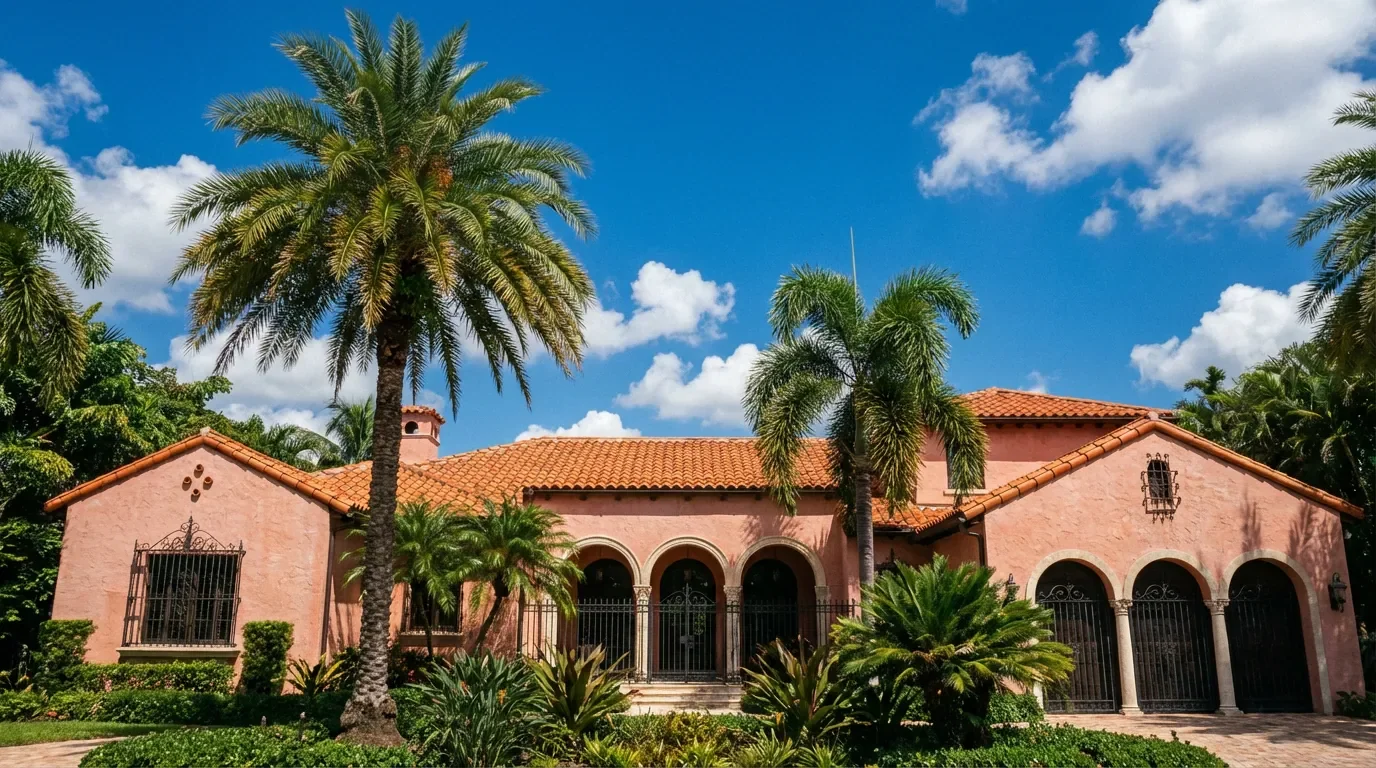
| Concrete Tile | Heavy, durable, wind-rated; tiles crack but system lasts | 40–50 years |
| Clay Tile | Similar to concrete, lighter; premium cost | 40–60 years |
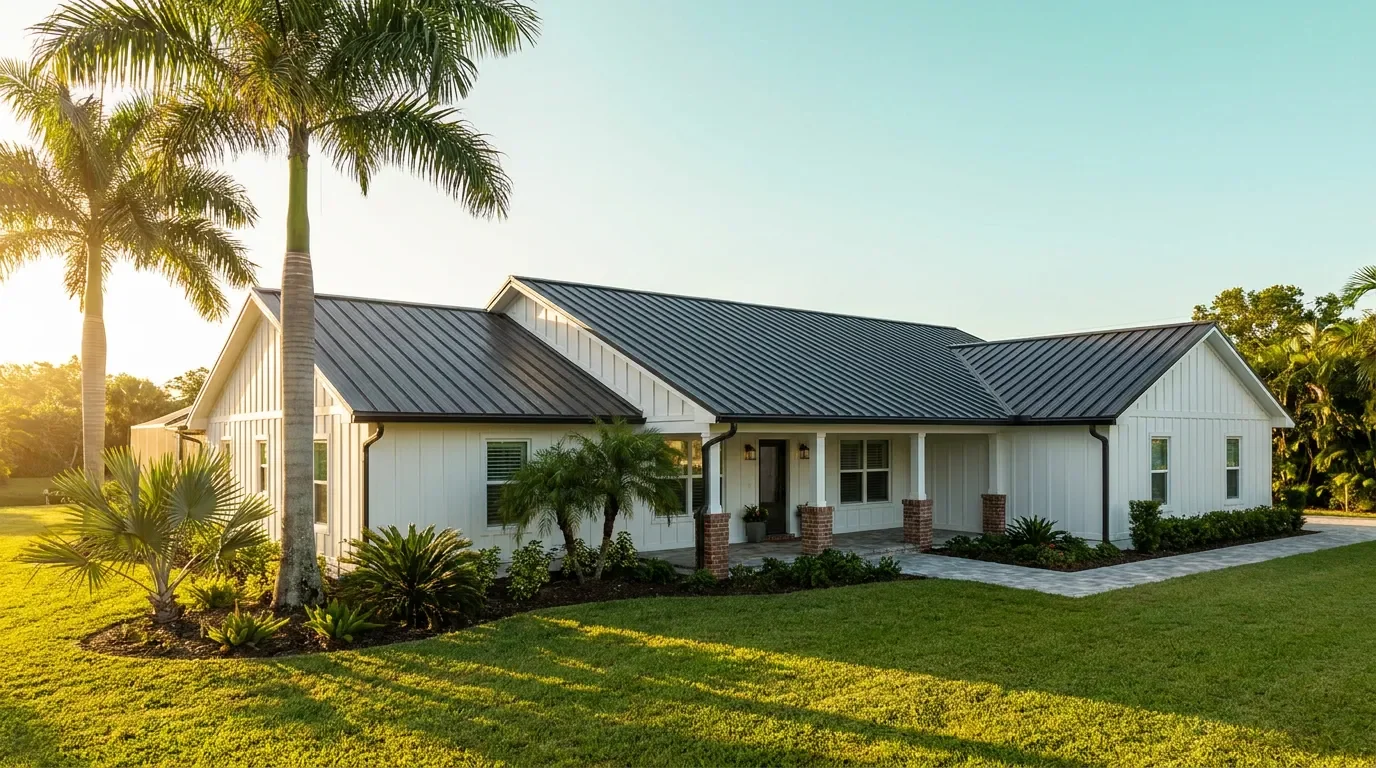
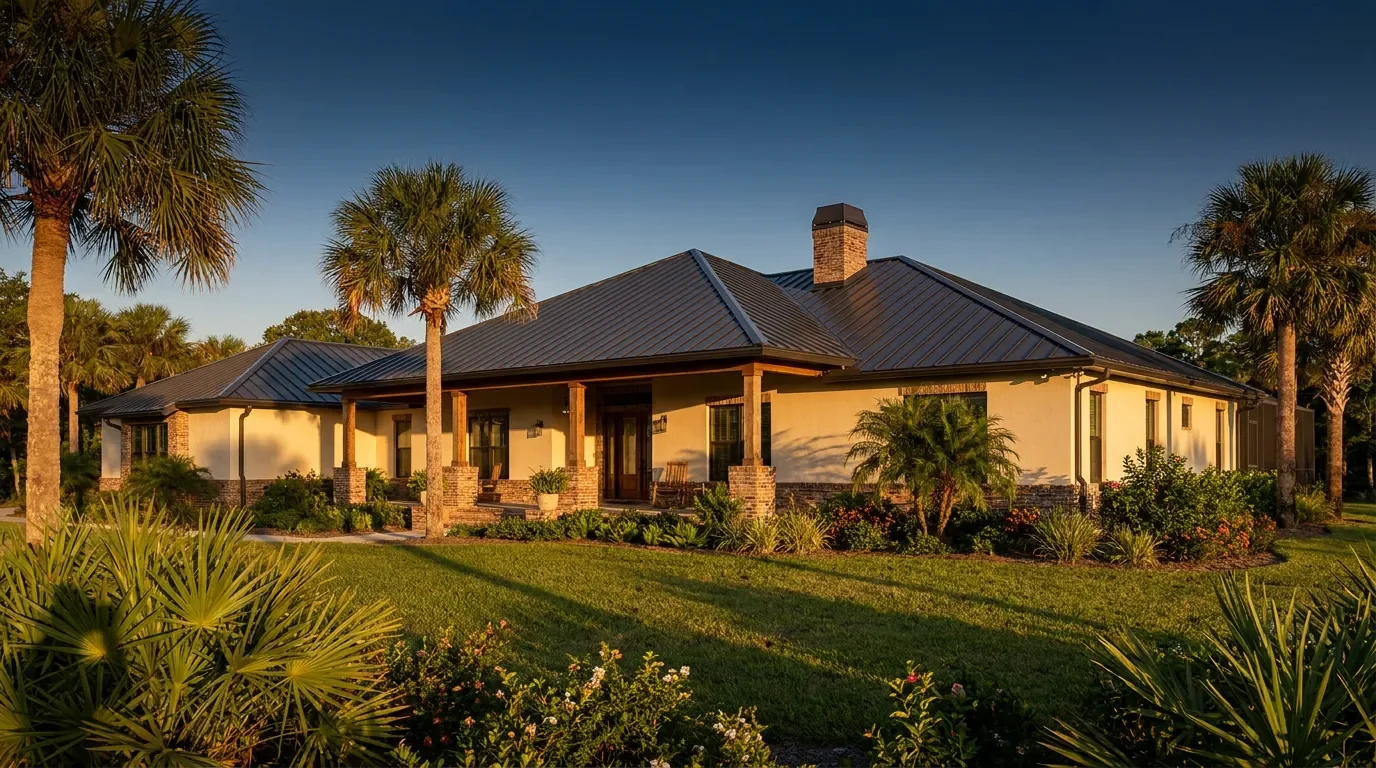
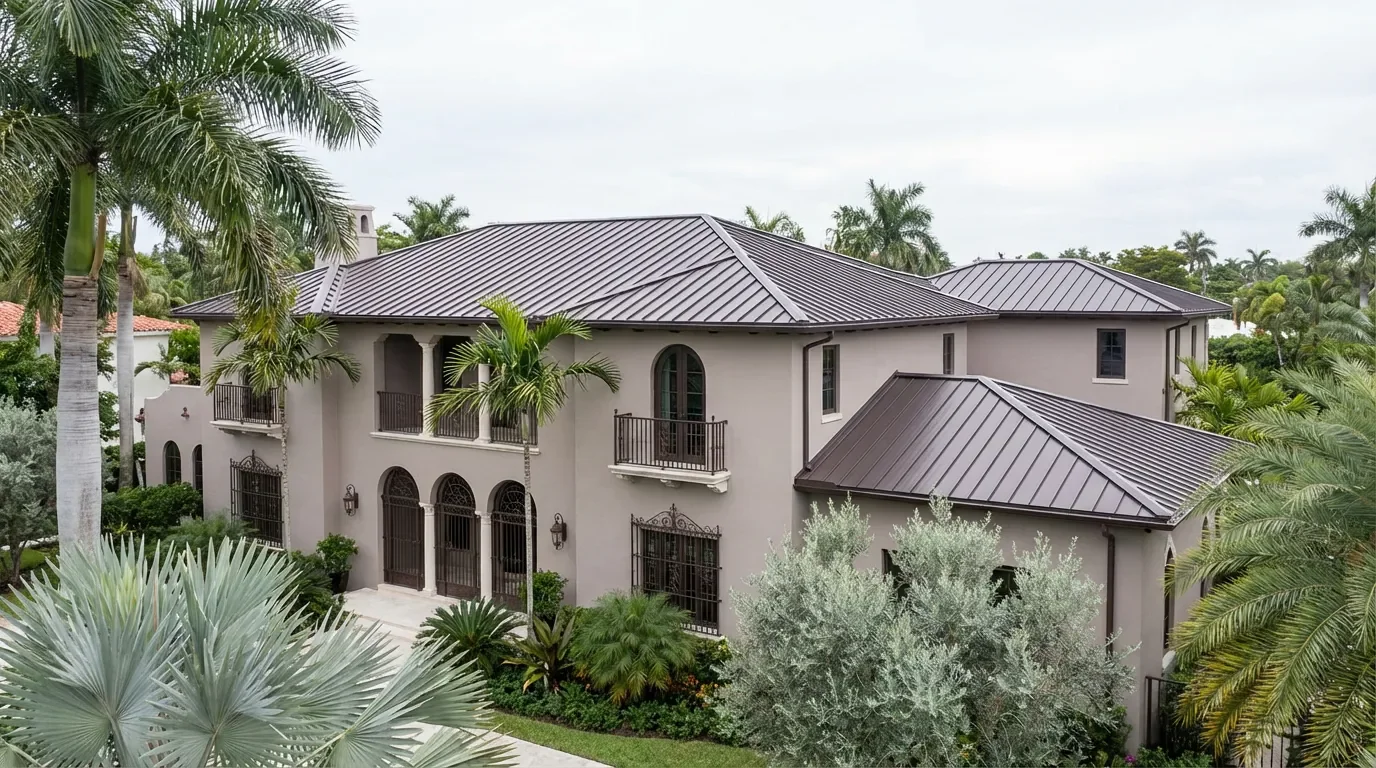
| Standing-Seam Metal | Best wind resistance, no exposed fasteners, Energy Star rated | 40–70 years |
| Modified Bitumen (flat) | Reinforced asphalt for flat or low-slope surfaces | 15–20 years |
How Long Does a Roof Last in Florida by City?
Location within South Florida matters more than most homeowners realize. Inland neighborhoods like Doral, Kendall, and Hialeah face extreme heat but less direct salt exposure.
Their shingle systems often reach the 17-20 year mark with proper maintenance. Coastal cities are another story. A home in Coral Gables near Biscayne Bay, or a property in Aventura near the Intracoastal, can see flashings and exposed metal components corrode 30-40% faster than identical products installed 10 miles inland. That corrosion is not a cosmetic issue. It creates water entry points that rot decking and void manufacturer warranties.
Homestead and South Miami-Dade present a different challenge: they sit directly in the historical path of landfalling hurricanes. Homeowners in Homestead should treat any storm with sustained winds above 50 mph as a mandatory inspection trigger, not just Category 2 or higher. The deck, underlayment, and flashings all need eyes on them after every named storm.
5 Factors That Shorten a Florida Roof's Lifespan
- Poor ventilation: Trapped attic heat above 130°F degrades shingle binders from the inside out. A properly ventilated attic can add 3-5 years to a shingle system's life.
- Skipped annual inspections: Small issues: a cracked tile, a lifted shingle tab, a failing flashing, cost a few hundred dollars to fix early. Left alone, they can cost $10,000+ in deck replacement.
- Incorrect fastener patterns: Florida code requires specific nail patterns for wind uplift resistance. Under-nailed systems fail in wind events years before their material lifespan is reached.
- Salt air corrosion: Coastal properties need stainless steel or hot-dipped galvanized fasteners. Standard steel corrodes within 5-7 years near salt water, loosening the entire system.
- Organic debris accumulation: Palm fronds and leaves hold moisture against the surface. Sustained moisture accelerates algae growth and granule loss on shingles, shortening the covering's effective life.
How to Know When It's Time to Replace
Knowing how long a roof lasts in Florida is only part of the equation. Knowing when your specific roof has reached the end is equally important.
Age alone is not a reliable indicator, a 20-year-old tile system with solid underlayment and intact flashings may have 15 more good years. A 12-year-old shingle system installed by an unlicensed crew during a post-hurricane rush may already be failing. Check your Miami-Dade NOA database records and permit history to confirm when your current system was installed and what materials were used. Those documents tell you the product's rated lifespan and the installation date so you can benchmark where you are in the cycle. Our detailed guide to choosing the most durable materials walks through every product category with Florida-specific performance data.
How to Evaluate Your Florida Roof's Remaining Life
Find Your Permit History
Contact your county building department or search online permit records to confirm the installation date and material type. This tells you exactly where you are in the system's life cycle.
Schedule a Licensed Inspection
A licensed contractor checks deck integrity, underlayment condition, flashing seals, ventilation, and fastener pattern. This is different from an insurance inspection, it goes deeper.
Look for Granule Loss and Cracking
Check your gutters after a heavy rain. A cup or more of granules per downspout means your shingles are shedding. Cracked or missing tile is visible from the ground with binoculars.
Check the Attic After Rain
Daylight visible through the deck boards or water stains on the rafters are emergency signs. Either one means water has already breached the system and active repair is urgent.
Compare Repair Cost vs. Replacement Cost
If repair costs exceed 30% of a full replacement quote, most licensed contractors recommend full replacement. Our roofing cost guide breaks down current South Florida pricing.
Choosing the Right Replacement to Maximize Lifespan
Once you decide to replace, the material choice is your biggest lever for maximizing how long your next Florida roof lasts.
Metal is the strongest long-term bet for most South Florida homeowners. Standing-seam metal systems have no exposed fasteners, which eliminates the most common leak entry point. They carry Energy Star ratings that can reduce cooling costs by 7-15%, relevant in a state where air conditioning runs nine months a year. Tile remains the dominant choice in South Florida for good reason. Concrete and clay tile handle heat, UV, and wind well. The system's weak points are the underlayment and the mortar at ridges and hips, not the tile itself. When those components are upgraded to modern synthetics during installation, a tile system routinely hits the 40-50 year mark. Architectural shingles are a cost-effective middle ground. Choose a product with a Miami-Dade NOA, a Class 4 impact rating, and a full-system warranty from a major manufacturer like GAF or Owens Corning. These products give you 15-20 years in Florida and come with manufacturer-backed coverage. Always verify your contractor's license through the DBPR license lookup before signing. An unlicensed install voids most manufacturer warranties and may violate permit requirements.
Maintenance Steps That Add Years to Any System
The gap between a 12-year shingle life and a 20-year shingle life almost always comes down to maintenance.
Annual inspections catch problems early. Cleaning gutters twice a year prevents water backup under the eaves. Trimming overhanging palms reduces debris load and physical damage during wind events. Re-sealing exposed flashing every 5-7 years closes the entry points that drive most interior leaks. If you are weighing a full roof replacement vs. targeted repairs, our licensed team can walk you through both options with a written estimate. We also guide homeowners on how to choose a qualified contractor, an important step in a market where storm-chasing crews appear after every hurricane and disappear before the warranty issues start.