Roofing · South Florida
South Florida Roofing: The Complete Guide for Homeowners
From full roof replacements to emergency storm damage repair, Haven delivers expert roofing solutions across Miami-Dade, Broward, Palm Beach, Martin & St. Lucie counties. Licensed, insured, and committed to quality.
A Safeguard Impact company — licensed South Florida contractor with 1,200+ projects completed each year
Get Your Free Estimate
No obligation. We'll respond within 24 hours.
Reviewed by Aldo Dellamano, Licensed General Contractor · Last updated April 2026
Introduction
outh Florida roofing is unlike anything else in the United States. The combination of hurricane-force winds, relentless UV radiation, salt-laden coastal air, and a building code that sets the global benchmark for wind resistance means your roof isn't just a shelter — it's the single most consequential structural decision you'll make as a homeowner.
Whether you're replacing an aging tile roof in Coral Gables, repairing wind-lifted shingles after a tropical storm in Kendall, or upgrading to a standing-seam metal system in Aventura, the contractor you hire, the materials you choose, and the permits you pull all matter enormously. Haven Home Remodeling Group is a licensed Florida general contractor led by GC Aldo Dellamano, with over 30 years of South Florida construction experience and 20 full-time in-house crews operating across Miami-Dade, Broward, Palm Beach, Martin, and St.
Lucie counties. This guide covers everything you need to make a confident, informed roofing decision.
Got questions about your roof or bathroom?
Get a free, no-pressure estimate from Haven's licensed Florida team.
South Florida roofing systems must comply with the Florida Building Code High-Velocity Hurricane Zone (HVHZ) standard in Miami-Dade and Broward counties, which requires 175+ mph wind uplift resistance and Miami-Dade Notice of Acceptance (NOA) approved materials — the strictest residential roofing code in the United States. Every product installed on a roof in these counties, from the underlayment to the ridge cap, must carry an active NOA issued through the Miami-Dade County Building Department, and every installation must be permitted, inspected, and documented through a licensed contractor. Homeowners who hire unlicensed roofers or allow unpermitted work risk losing their insurance coverage entirely — a devastating outcome in a region where a single named storm can make that coverage the difference between repair and financial ruin.
The reason these codes exist is rooted in hard history. Hurricane Andrew made landfall in South Miami-Dade in August 1992 and destroyed or damaged more than 125,000 homes, exposing catastrophic failures in both materials and construction practices. Hurricanes Wilma (2005) and Irma (2017) reinforced that lesson for every county from Miami-Dade to the Treasure Coast. The Florida Building Code was substantially rewritten after Andrew, and the HVHZ provisions have been tightened in every major update since. According to NOAA and the National Hurricane Center, the South Florida coastline remains one of the highest hurricane-risk corridors in the Western Hemisphere, making code compliance not a formality but a genuine life-safety issue.
“Hurricanes Wilma (2005) and Irma (2017) reinforced that lesson for every county from Miami-Dade to the Treasure Coast.”
Beyond wind, the subtropical climate creates chronic stress that homeowners in other regions never face. Salt air accelerates corrosion on fasteners and metal components. Intense UV exposure degrades standard asphalt shingles faster here than anywhere else in the continental U.S., which is why HVHZ-rated impact-resistant shingles with six-nail fastening patterns are required rather than optional. Year-round humidity and the freeze-thaw cycles that don't exist here mean flashing and sealant details that work in Georgia or the Carolinas can fail within a few years under South Florida conditions. Understanding these realities is the foundation of every roofing decision we help our clients make.
What You Get
Haven's South Florida Roofing Services
Roof Replacement
Roof replacement covers complete tear-off down to the decking, inspection and repair of the deck itself, HVHZ-compliant underlayment, and a fully permitted new roof system — the right choice when your roof is past its service life or has sustained major structural damage.
Roof Repair
Roof repair addresses leaks, missing or lifted shingles, damaged flashing, failed pipe boot seals, and valley deterioration — fast, targeted fixes that stop water intrusion and protect your home while you plan next steps.
Metal Roofing
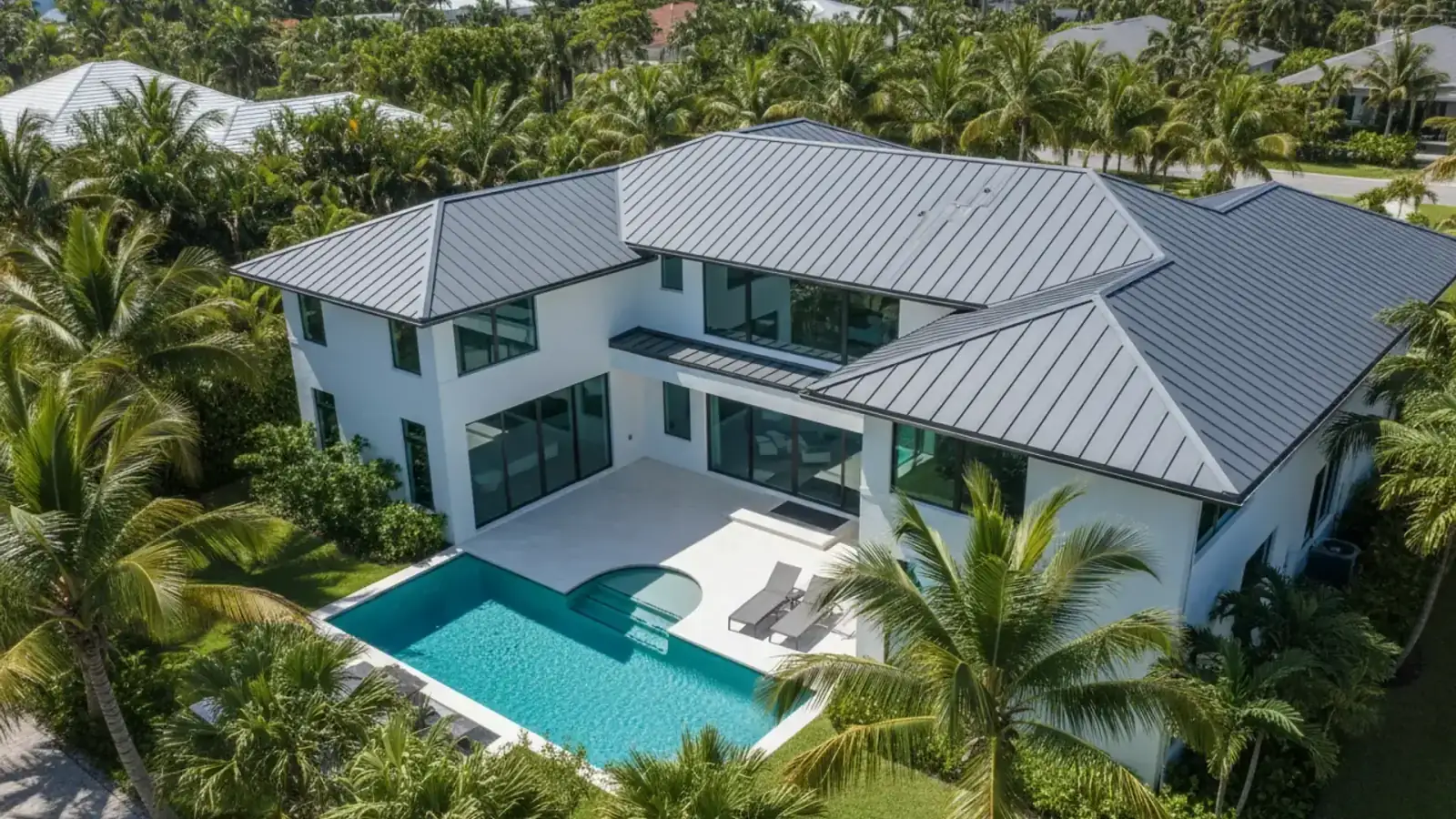
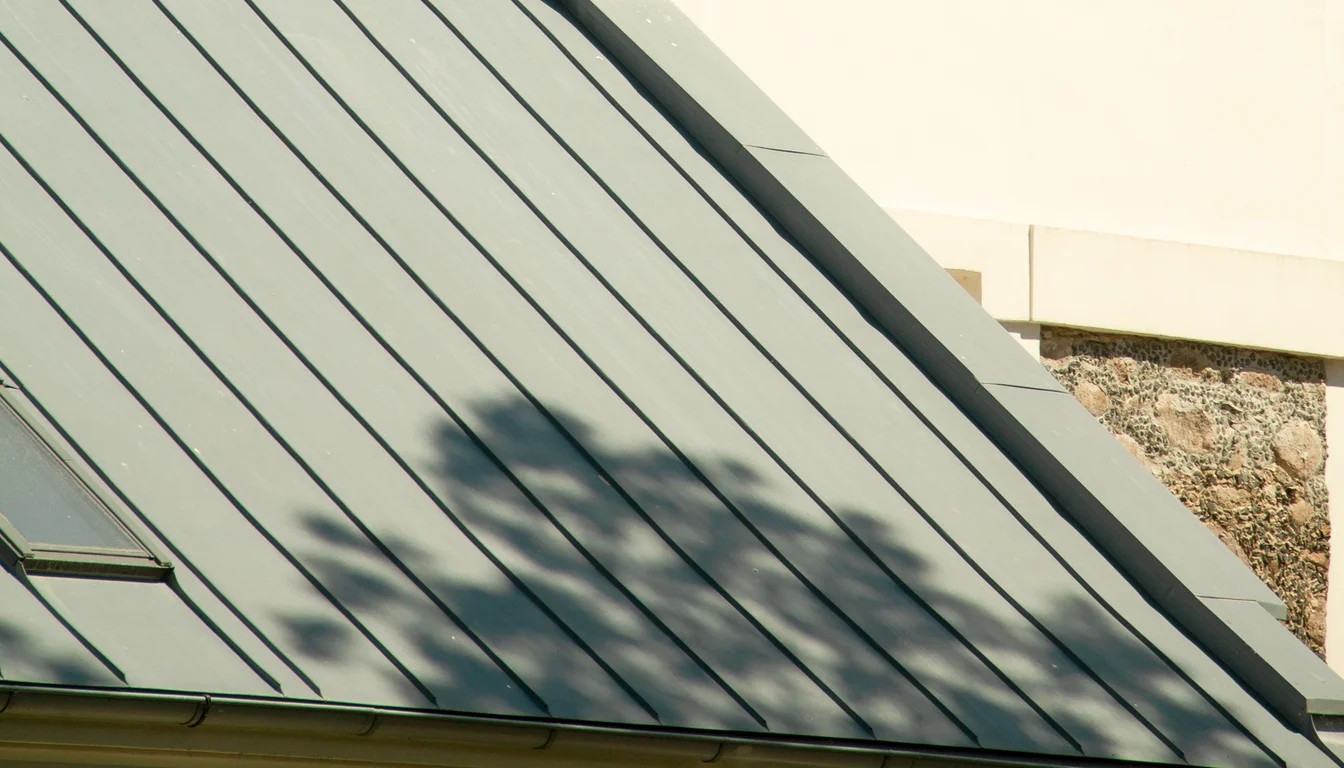
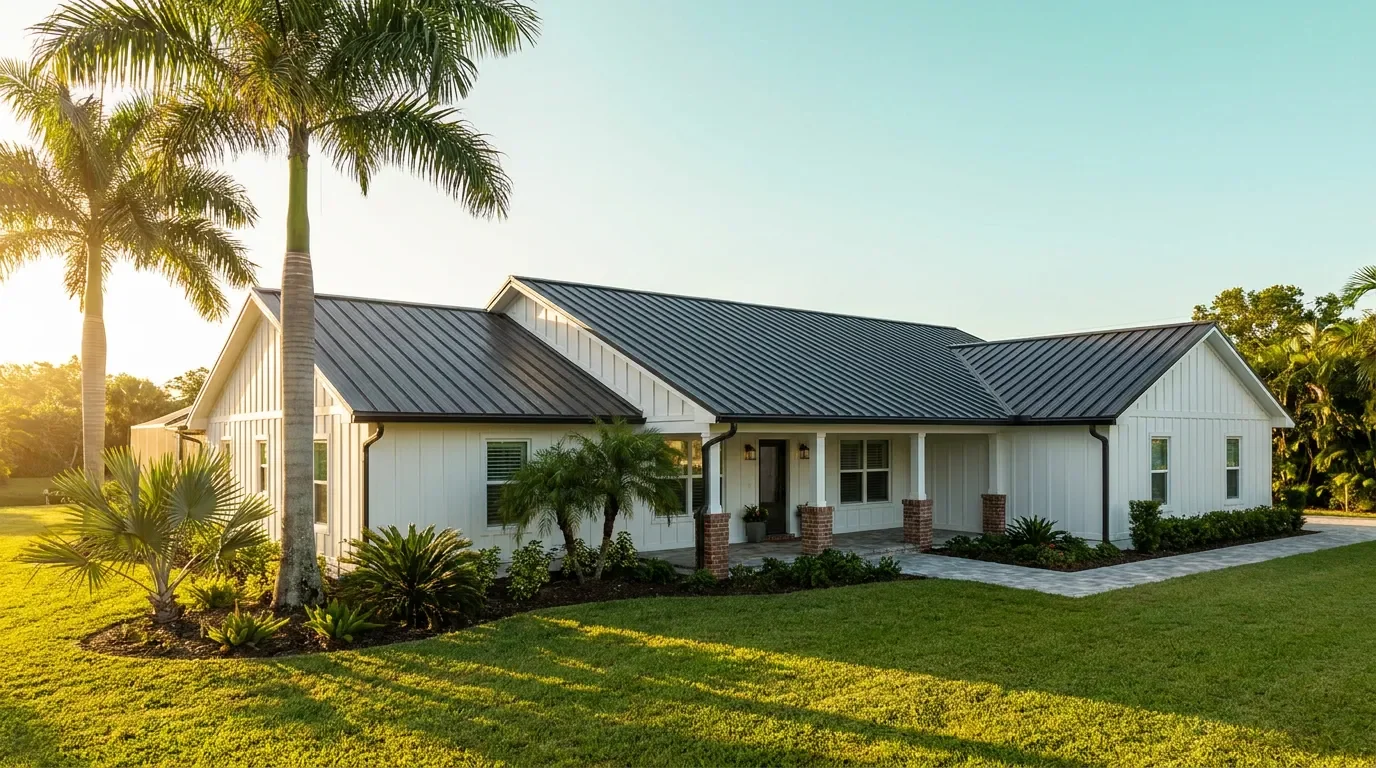
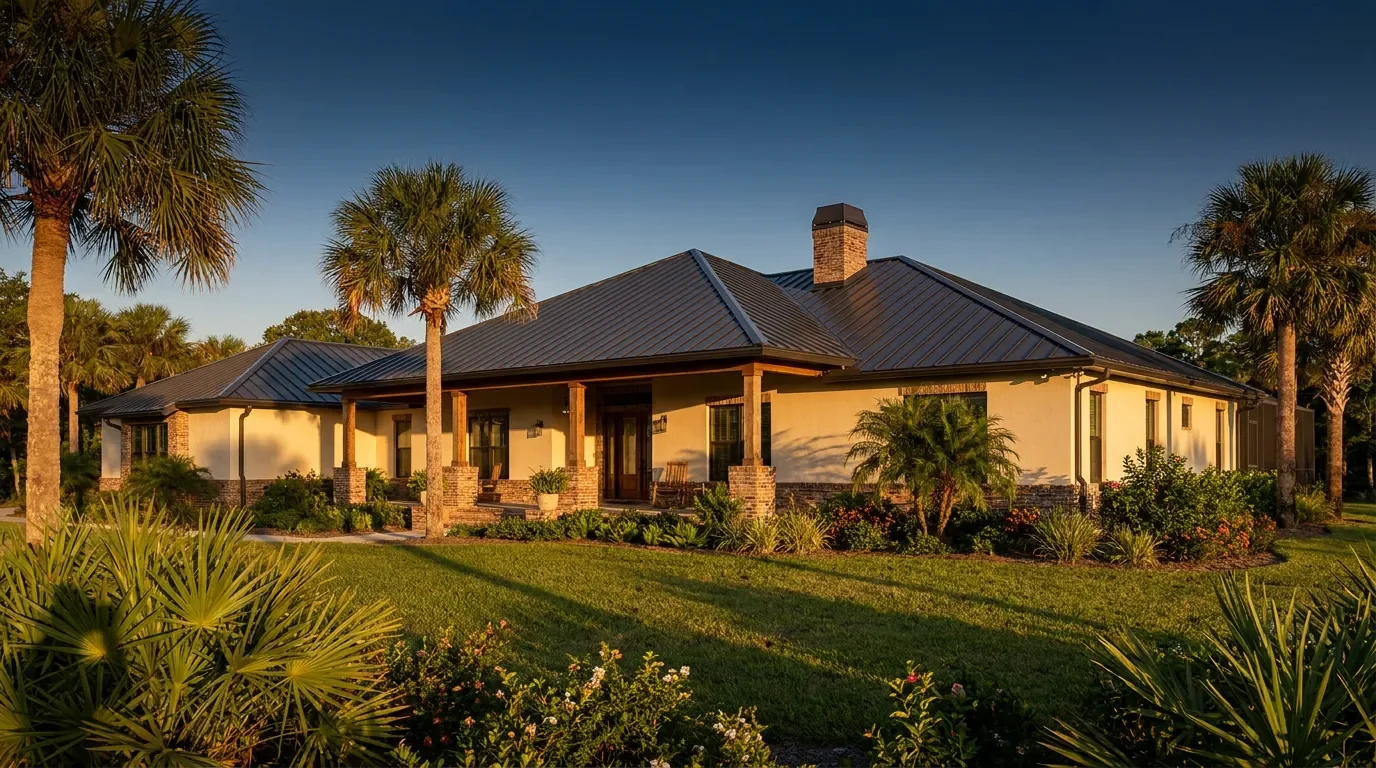
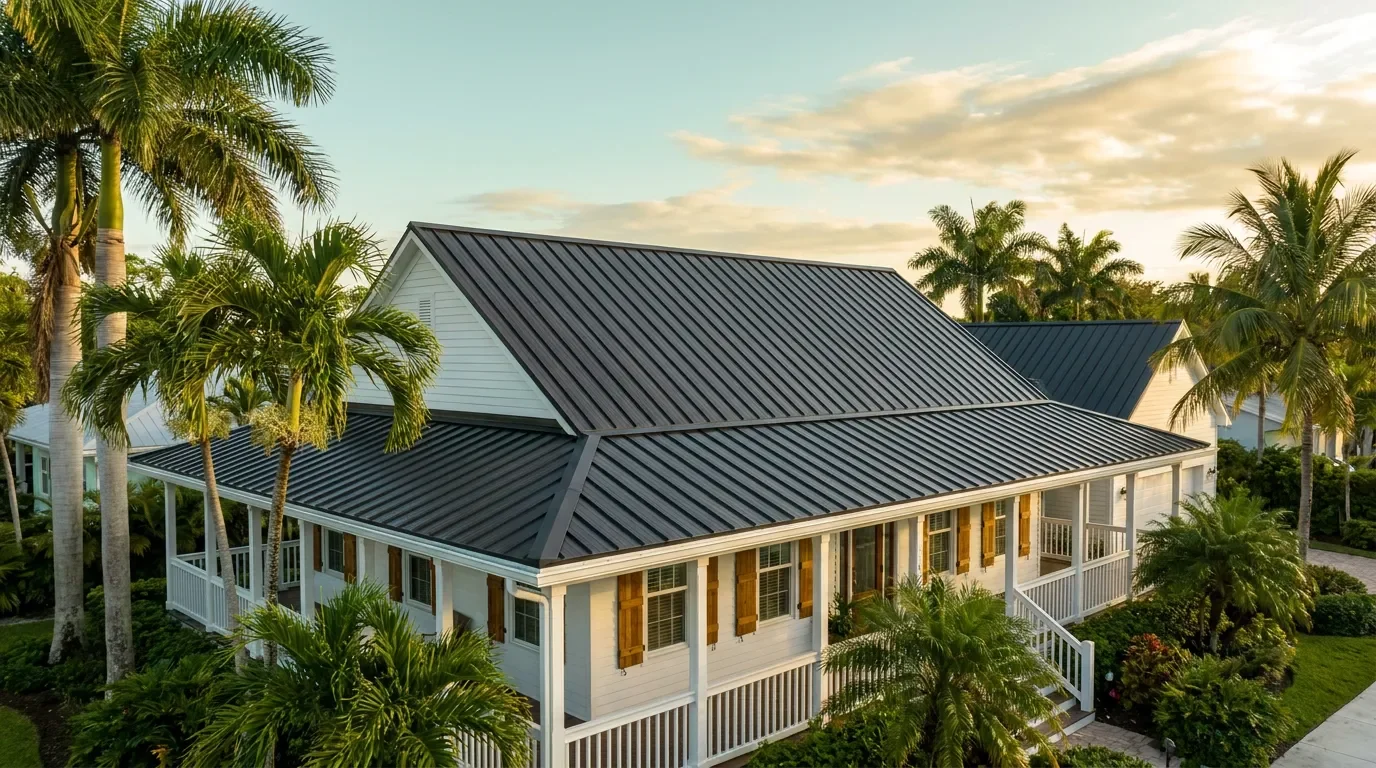
Metal roofing — standing seam and corrugated Galvalume systems with Kynar coatings — delivers 50+ year lifespans, outstanding wind ratings, and significant energy savings through solar reflectance, making it increasingly popular in both coastal and inland South Florida communities.
Shingle Roofing
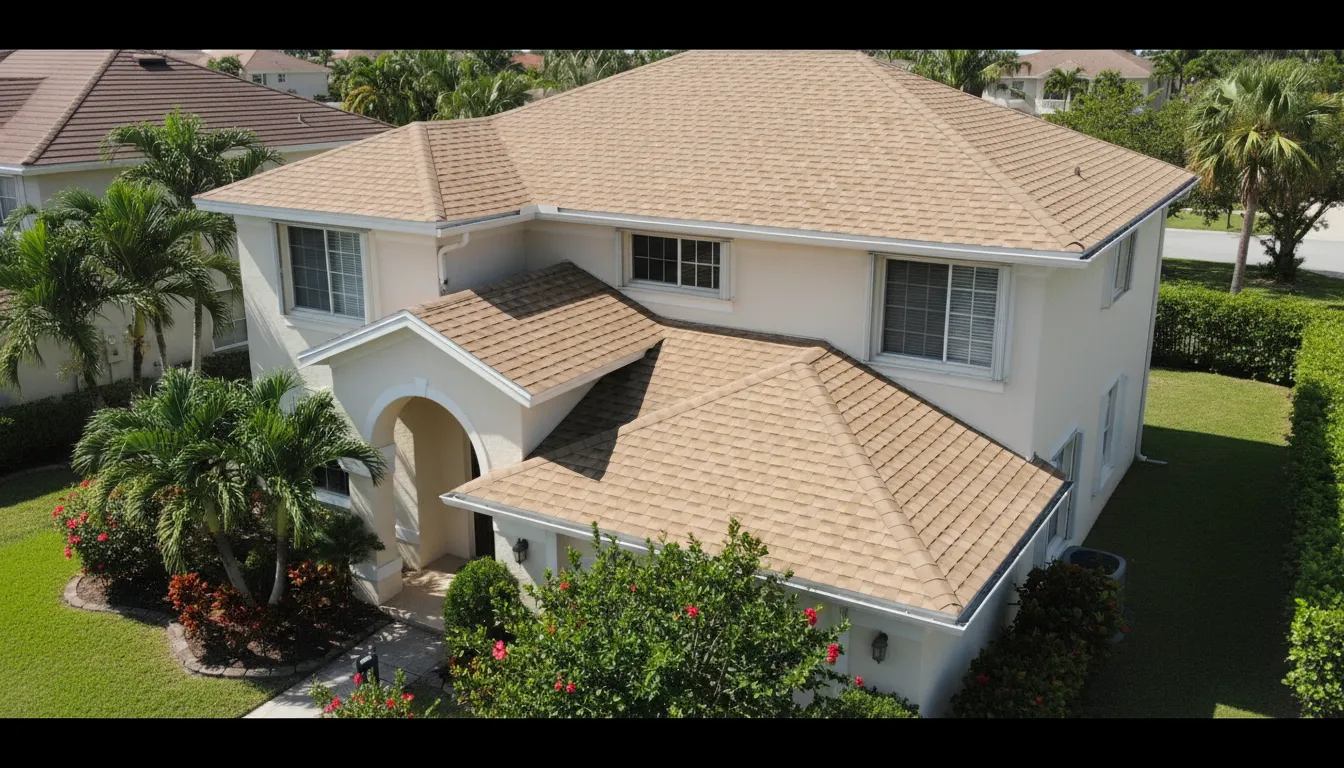
Shingle roofing using architectural and impact-resistant products from GAF, Owens Corning, and CertainTeed remains the most common roofing system in South Florida, offering a broad range of colors, strong wind ratings, and relatively accessible installed cost.
Shingle Roof Replacement
Shingle roof replacement is a full tear-off of existing asphalt or three-tab shingles followed by a properly sequenced HVHZ installation — peel-and-stick underlayment, drip edge, six-nail fastening, and impact-resistant shingles from top-tier manufacturers — often qualifying homeowners for meaningful insurance wind mitigation credits.
Tile Roof Replacement
Tile roof replacement handles the tear-off and reinstallation of concrete, clay, barrel, and flat tile systems, including structural reinforcement assessment, NOA-approved underlayment systems, and hurricane clip installation — the preferred long-term roofing system for many South Florida homeowners for good reason.
Storm Damage Restoration
Storm damage restoration covers the full cycle from emergency tarping and damage documentation through insurance adjuster meetings, approved repair or replacement scoping, and complete restoration — critical after any named storm or severe squall line moves through the region.

In the Field
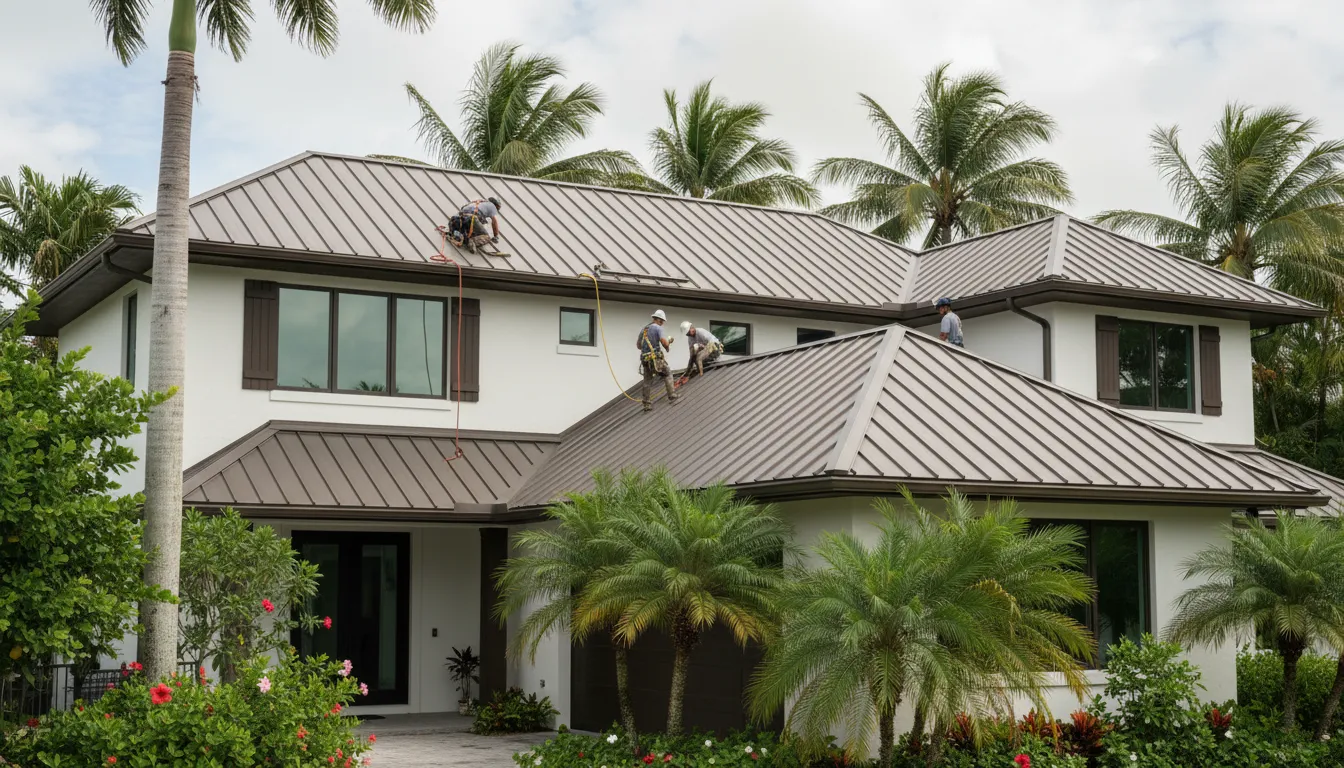
A Haven crew installs an NOA-approved underlayment system on a Miami-Dade residential roof replacement — one of more than 1,200 roofing projects completed annually across South Florida.
Built to Survive a South Florida Storm — Haven Bathrooms & Kitchens
Material selection is where most South Florida homeowners get the most value from an informed conversation with a licensed contractor. The three dominant systems — asphalt shingles, concrete and clay tile, and metal — each have genuine strengths and trade-offs that look different here than they do in the rest of the country.
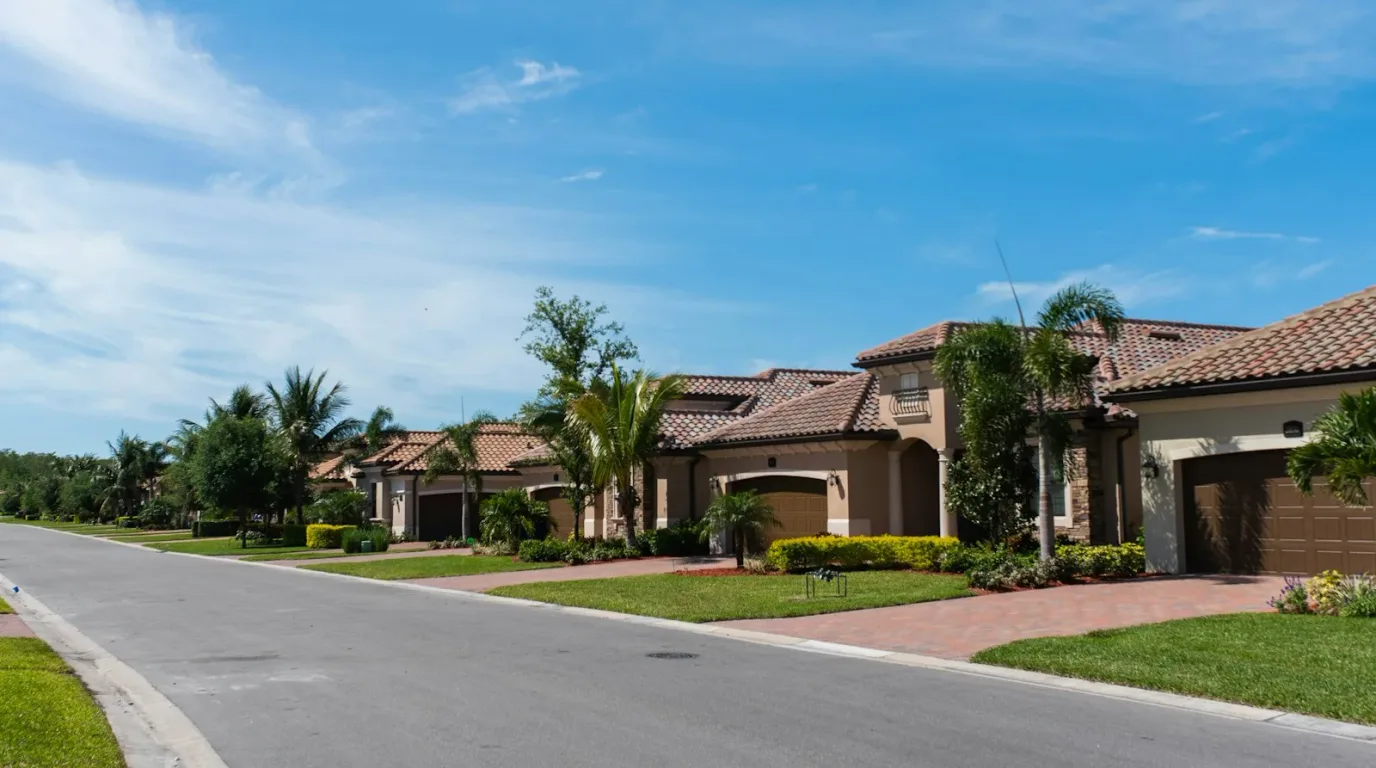
Architectural and impact-resistant asphalt shingles remain the volume leader across suburban South Florida. In dense urban neighborhoods like those we serve in Hialeah and Doral, as well as the sprawling suburban communities of Kendall and Miami Lakes, shingles offer the fastest installation timelines, the widest color palette, and the most competitive installed cost. GAF's Timberline HDZ, Owens Corning's Duration, and CertainTeed's Landmark Pro are all HVHZ-listed products that routinely earn wind mitigation credits on insurance inspections when installed with the six-nail pattern required by the Florida Building Code. The trade-off is longevity — even the best asphalt shingles in South Florida's UV environment are realistically rated for 25 to 30 years rather than the 30 to 50 years advertised in cooler climates.
“Tile's thermal mass slows heat transfer into the attic, and a properly installed tile system with an NOA-approved underlayment can last 50 years or more.”
Concrete and clay tile is the historically dominant system in South Florida and remains the first choice for many homeowners in Coral Gables, Miami Beach, and Cutler Bay, where architectural compatibility matters as much as performance. Tile's thermal mass slows heat transfer into the attic, and a properly installed tile system with an NOA-approved underlayment can last 50 years or more. The critical considerations are structural: tile is heavy — concrete tile runs 9 to 12 pounds per square foot — and older homes must be assessed for structural reinforcement before a tile overlay or replacement is specified. Hurricane clips and proper mortar or foam-set fastening are non-negotiable under HVHZ requirements, and the Florida Department of Business and Professional Regulation (DBPR) requires that any contractor performing this work hold an active state license. Standing seam metal roofing is gaining significant share in coastal communities where salt air accelerates shingle degradation. In Aventura, North Miami, and the barrier island neighborhoods of Miami Beach, Galvalume steel with Kynar 500 coatings resists corrosion, reflects radiant heat, and has been tested to wind speeds well above HVHZ minimums. The higher upfront cost — typically 1.5 to 2 times shingle — is offset by the dramatically longer service life and the near-elimination of maintenance costs over a 40 to 50 year span.
Side-by-Side
Metal Roofing vs. Shingle Roofing in South Florida
| Feature | Standing Seam Metal | Impact-Resistant Shingles |
|---|---|---|
| Lifespan in South Florida | 40–50+ years | 25–30 years (UV-limited) |
| Wind Rating (HVHZ) | 175+ mph, seam-locked system | 175+ mph with six-nail pattern |
| Salt Air Resistance | Excellent — Kynar-coated Galvalume | Good — degrades faster near coast |
| Energy Efficiency | High solar reflectance, lowers cooling load | Moderate; cool-roof shingles available |
| Installed Cost | Higher upfront investment | More accessible entry cost |
| Maintenance | Minimal over the system's life | Periodic inspection, flashing checks |
| Insurance Wind Mitigation Credit | Yes — metal qualifies | Yes — impact-rated shingles qualify |
The HVHZ Standard Is Non-Negotiable
Every roofing product installed in Miami-Dade and Broward counties must hold an active Miami-Dade Notice of Acceptance (NOA) — and every installation must be permitted and inspected. Homeowners who allow unpermitted roofing work risk voiding their homeowners insurance precisely when they need it most.
Process
How a Haven Roofing Project Works
- 1
Free On-Site Estimate
A Haven project manager visits your home, inspects the existing roof from the ridge to the fascia, documents conditions including decking, flashing, and drip edge, and reviews your goals — whether that's a targeted repair or a full replacement. There is no charge for this assessment and no obligation.
- 2
Scope, Material Selection & Permit Application
We prepare a detailed written scope of work, help you select the right material system for your home and budget, and submit the building permit application to your local jurisdiction. Haven pulls all permits in-house — we never ask homeowners to pull their own permits, a red flag practice that violates Florida law when used by contractors.
- 3
Crew Mobilization & Tear-Off
One of Haven's 20 full-time in-house crews — not subcontractors, not day labor — mobilizes on the scheduled start date. The existing roof system is torn off, the decking is inspected board by board, and any damaged sheathing is replaced before a single new product is installed.
- 4
HVHZ-Compliant Installation
Underlayment, drip edge, flashing, and the chosen roof system are installed in strict accordance with the approved permit drawings and Florida Building Code HVHZ requirements. All fastening patterns, overlap dimensions, and product sequence are documented for the inspection record.
- 5
Inspection, Punch-List & Warranty
Haven schedules and manages the required municipal inspection. After the inspector signs off, our project manager walks the roof with you, addresses any punch-list items, and delivers the warranty documentation — including Haven's lifetime workmanship warranty on qualifying installations.
Ready to talk to a real local expert?
Tell us about your project — we respond within 24 hours.
By the Numbers
Haven Roofing by the Numbers
1,200+
Projects Per Year
Roofing and remodeling projects completed annually across South Florida
1,500+
Permits Pulled Annually
Every project permitted and inspected — no exceptions
Under 3%
Warranty Callback Rate
An order of magnitude lower than the typical South Florida general contractor
5 Counties
Service Area
Miami-Dade, Broward, Palm Beach, Martin, and St. Lucie counties

In the Field
Standing seam metal roofing installed by Haven on a coastal home — Galvalume with Kynar coating for maximum resistance to South Florida's salt air and UV environment.
Storm Damage to Full Restoration — Haven Bathrooms & Kitchens
Haven's roofing crews operate across the full breadth of South Florida, and the region's geography shapes how every project gets done. Along the coast, the combination of salt air, high-rise adjacency, and often older concrete or clay tile roofs means material selection and structural assessment are especially deliberate. In Aventura — with its mix of high-rise condos and single-family neighborhoods like Aventura Lakes and Williams Island — and along the barrier island communities of Miami Beach, from South Beach through Mid-Beach to North Beach, corrosion resistance and NOA compliance are the primary conversation. North Miami, encompassing established neighborhoods like Keystone Point and Sans Souci Estates, presents a mix of mid-century homes where tile or metal upgrades frequently make long-term financial sense.
In the urban core, Miami itself — spanning Brickell, Coconut Grove, and Wynwood — generates a broad range of roofing work, from flat commercial-style low-slope systems on mixed-use buildings to steep-pitched tile roofs on historic bungalows. Hialeah, one of the largest cities in the state with more than 223,000 residents, has a dense stock of CBS (concrete block and stucco) homes with aging shingle and tile roofs that are increasingly hitting replacement age. Doral, with its newer planned communities in Downtown Doral and Doral Isles, more often involves shingle roof replacement on homes built in the post-Andrew code era.
“Doral, with its newer planned communities in Downtown Doral and Doral Isles, more often involves shingle roof replacement on homes built in the post-Andrew code era.”
The mature, tree-canopied neighborhoods of Coral Gables — Old Cutler, Riviera, Cocoplum — present some of the most architecturally sensitive roofing work in Miami-Dade, where historic barrel tile systems must be matched precisely for color and profile. Suburban Miami-Dade generates consistent volume across Kendall (The Hammocks, Kendale Lakes, Country Walk), Cutler Bay (Saga Bay, Cutler Ridge), and Miami Lakes (Royal Oaks, Loch Lomond) — communities with large concentrations of homes built between 1985 and 2005 that are now entering their second roof cycle. Finally, at the southern edge of the county, Homestead — including the Keys Gate and Downtown Homestead neighborhoods, and extending to the Florida City border — remains an area of active roofing demand, partly because it bore the direct impact of Hurricane Andrew in 1992 and the roof systems rebuilt in that era are now aging simultaneously. Further north in Palm Beach County, West Palm Beach — with its architecturally varied neighborhoods like Northwood Hills, El Cid, and SoSo — mirrors that same pattern of character-rich older homes where material matching and structural integrity require the same careful, deliberate approach Haven applies throughout the region. Continuing south along the Palm Beach coast, Boca Raton — encompassing prestigious enclaves like Royal Palm Yacht & Country Club, the Mizner Park corridor, and Broken Sound — presents a similarly refined scope of work, where tile roof maintenance and upscale material matching are the consistent expectations of a discerning homeowner base. Bridging those two counties, Fort Lauderdale — with its waterfront neighborhoods of Las Olas Isles and Colee Hammock alongside the established residential streets of Victoria Park — brings Broward County into that same conversation, where a mix of mid-century and newer construction demands the same attentive approach to material selection and long-term durability. Deeper into Broward's suburban interior, Pembroke Pines — spanning master-planned communities like Chapel Trail, Silver Lakes, and Pembroke Falls — reinforces that same dynamic, with a large stock of homes from the 1990s and early 2000s now reaching the point where full roof replacement is the financially sound path forward. That pattern extends further into Broward with Coral Springs — where established neighborhoods like Eagle Trace, Ramblewood, and Heron Bay represent a similarly dense concentration of planned residential communities whose roofs are entering that same replacement window at scale. North of Palm Beach County, Port St. Lucie — St. Lucie County's largest city, with rapidly growing master-planned communities like Tradition, St. Lucie West, and Torino — continues that same suburban replacement pattern, where a booming population of more than 230,000 residents and a large inventory of homes from the 1990s and 2000s generates steady, high-volume roofing demand across shingle and tile systems alike. In neighboring Martin County, Palm City — a community of nearly 25,000 residents with upscale enclaves like Cobblestone, Harbour Ridge Yacht & Country Club, and Emerald Lakes — extends that same demand northward, where the blend of waterfront-adjacent living and established residential neighborhoods calls for the same deliberate material selection and craftsmanship Haven brings across the region.
Financing Available — No Need to Wait
Haven offers financing options on roofing projects so you can move forward with a code-compliant, fully permitted roof now rather than delaying into the next hurricane season. Free estimates are available across all five counties we serve.
Not sure what your project should cost?
Free, itemized estimates from Haven. No obligation, no sales pressure.
After a named storm or a severe squall line, the roofing landscape in South Florida changes fast. Contractors flood in from other states, many unlicensed or underqualified for HVHZ work, and homeowners under stress make decisions they later regret. The Florida Department of Business and Professional Regulation (DBPR) maintains the public contractor licensing database, and checking that database before signing anything is a basic protection that too many homeowners skip in the urgency of the moment.
On the insurance side, South Florida homeowners are entitled to specific protections but also subject to specific obligations. Florida law requires insurers to bring a repaired or replaced roof into compliance with the current Florida Building Code, not just restore it to pre-loss condition — which means a storm-damaged roof that was partially out of compliance before the storm may be upgraded at insurance expense. Haven's project managers attend adjuster meetings, document damage with photographs and written scope, and help homeowners understand what their policy actually covers before any work begins. Storm damage restoration handled this way — thoroughly, with documentation, by a licensed contractor who pulls permits — also protects the homeowner from future coverage disputes. For homeowners looking to extend that same commitment to the full building envelope, Haven also offers TEX•COTE ceramic exterior coatings, lifetime-warrantied wall coatings that cut surface temperatures by up to 40°F and are available through Haven's BJ's Wholesale Club partnership across South Florida.
“We believe our permitting discipline — over 1,500 permits pulled per year, every inspection scheduled and passed — is the most concrete demonstration of quality we can offer.”
The callback rate on Haven projects runs under 3%, an order of magnitude lower than the typical South Florida general contractor. That number matters in the insurance context because a roof that fails an inspection, requires a callback, or was installed without a permit creates underwriting problems for years after the original work was done. We believe our permitting discipline — over 1,500 permits pulled per year, every inspection scheduled and passed — is the most concrete demonstration of quality we can offer.

In the Field
A Haven project manager reviews permit documentation on a tile roof replacement in Miami-Dade — all 1,500+ permits Haven pulls annually are managed entirely in-house.
New Shingle Roof Installation in Suburban Miami-Dade — Haven Bathrooms & Kitchens
Common Questions
Frequently Asked Questions About Roofing in South Florida
Helpful Reads
Roofing Guides for South Florida
Roofing
HVHZ Roofing Requirements Florida: What Every Homeowner Must Know
If a contractor has mentioned HVHZ, you need to understand exactly what it means for your roof. South Florida's High-Velocity Hurricane Zone imposes the strictest residential roofing code in the United States — and non-compliance can void your insurance.
Read articleRoofing
Shingle Roofing in South Florida: Complete Homeowner Guide
Shingle roofing in South Florida requires more than a trip to the hardware store — hurricane codes, NOA approvals, and local permit rules all apply. This guide covers everything a homeowner needs to know before calling a contractor.
Read articleRoofing
What Is Modified Bitumen Roofing? A South Florida Guide
Modified bitumen roofing is one of the most reliable flat-roof systems in South Florida — engineered to handle hurricane-force winds, UV radiation, and tropical heat. Here's everything homeowners need to know.
Read articleContent Disclosure
This article is provided for general information only and reflects current Florida Building Code requirements, common South Florida construction practices, and Haven's field experience. Actual project costs, permit requirements, material availability, and timelines vary based on your home, municipality, and project scope. Florida law requires that any residential construction work over $1,000 be performed by a licensed contractor — always consult a Florida-licensed contractor before starting a roofing or bathroom remodel and verify credentials at myfloridalicense.com. This guidance is not a substitute for a project-specific estimate or on-site evaluation by a licensed professional.