Why Florida Bathrooms Need Trend-Smart Tile
Bathroom tile trends in 2026 reflect a shift toward materials that are both beautiful and built to last, especially critical in South Florida's climate. Florida Building Code requires waterproof backer materials (cement board or equivalent moisture barriers) behind all tile in wet areas. That code exists for good reason: without it, moisture reaches the wall frame and causes mold within one to two years. Salt air in coastal cities like Miami Beach and Aventura accelerates grout degradation and corrodes fixture hardware. UV exposure through skylights and large windows can fade porous natural stone faster than homeowners expect. Choosing a tile with a low water absorption rate, below 0.5% for porcelain, protects your investment. The Florida Building Code sets minimum standards, but the best remodels exceed them. Haven's crews use Schluter Systems KERDI waterproofing membranes (a bonded sheet that blocks moisture from reaching the wall frame) on every shower build. That detail alone separates a 5-year tile job from a 25-year one.
The Top Bathroom Tile Trends 2026 in South Florida
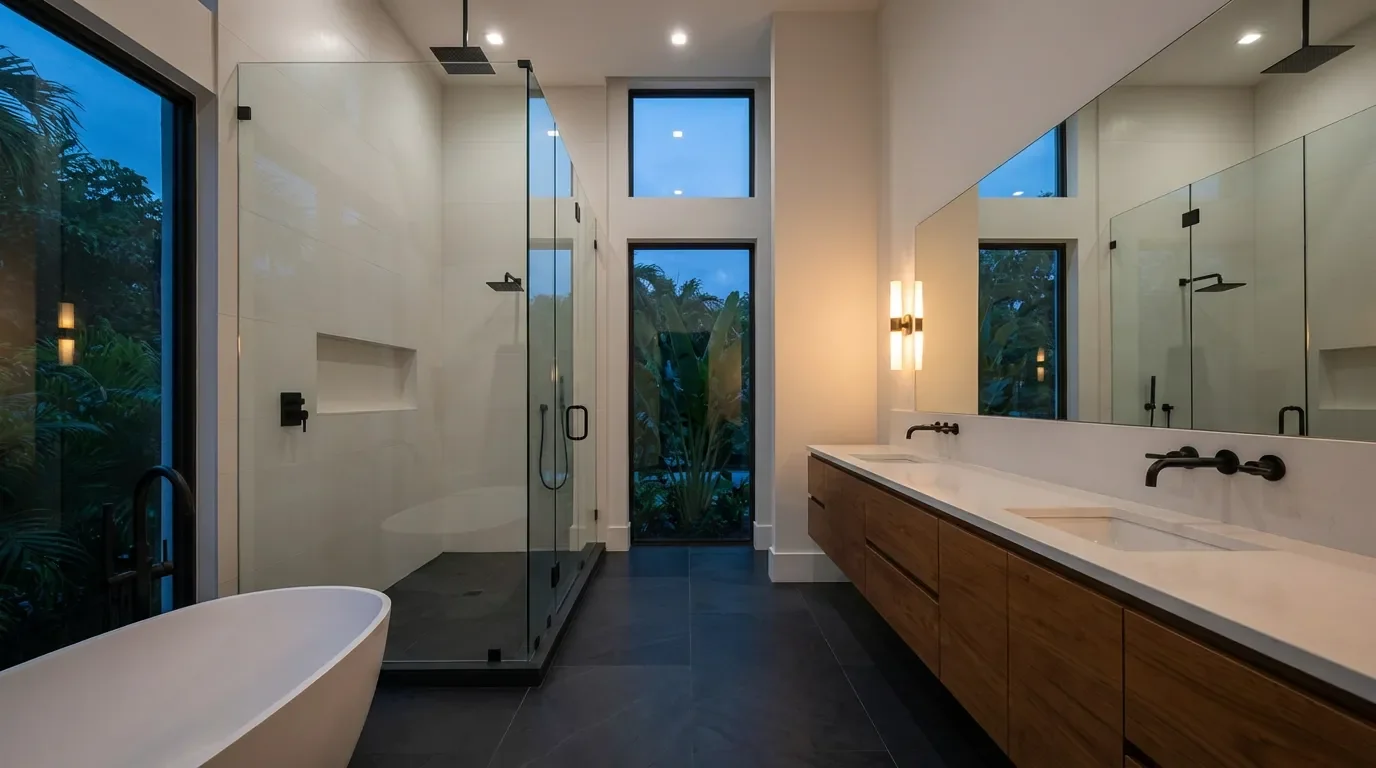
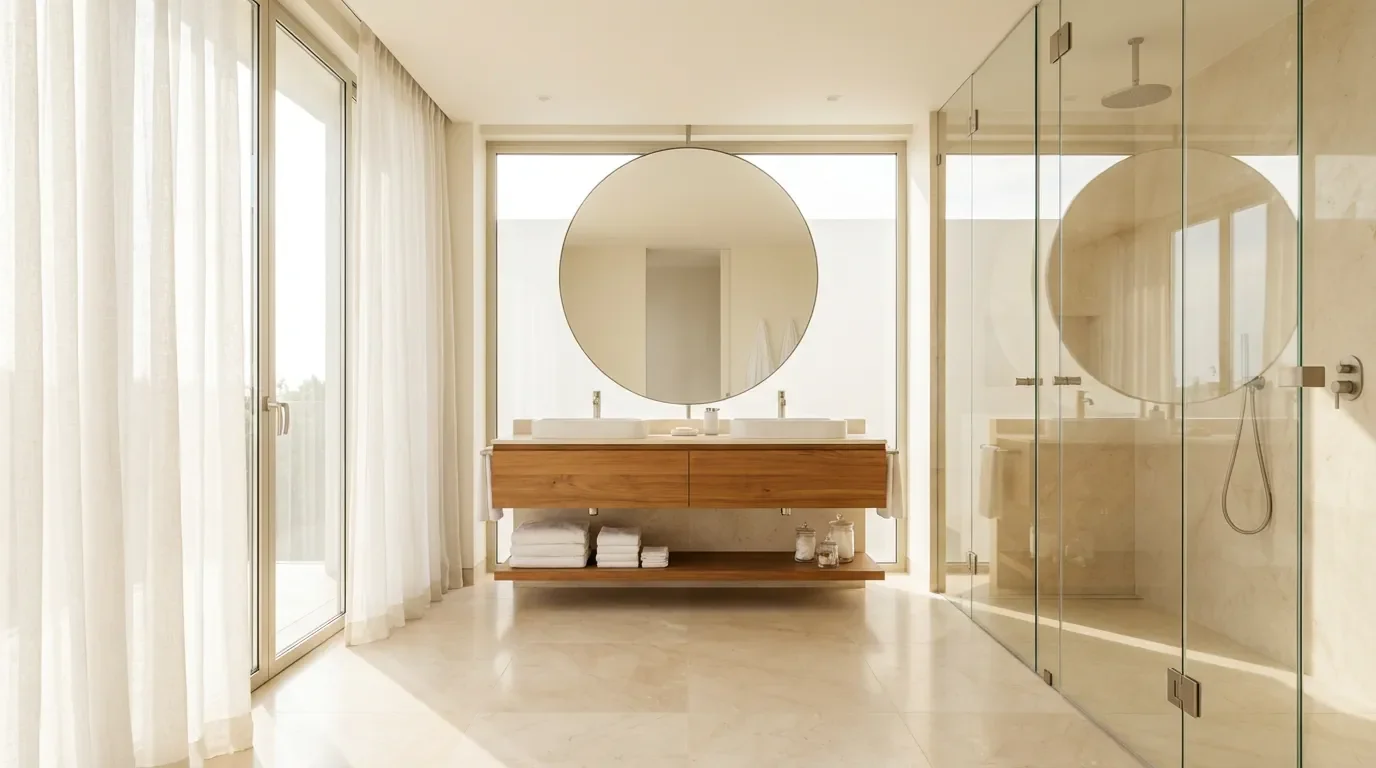
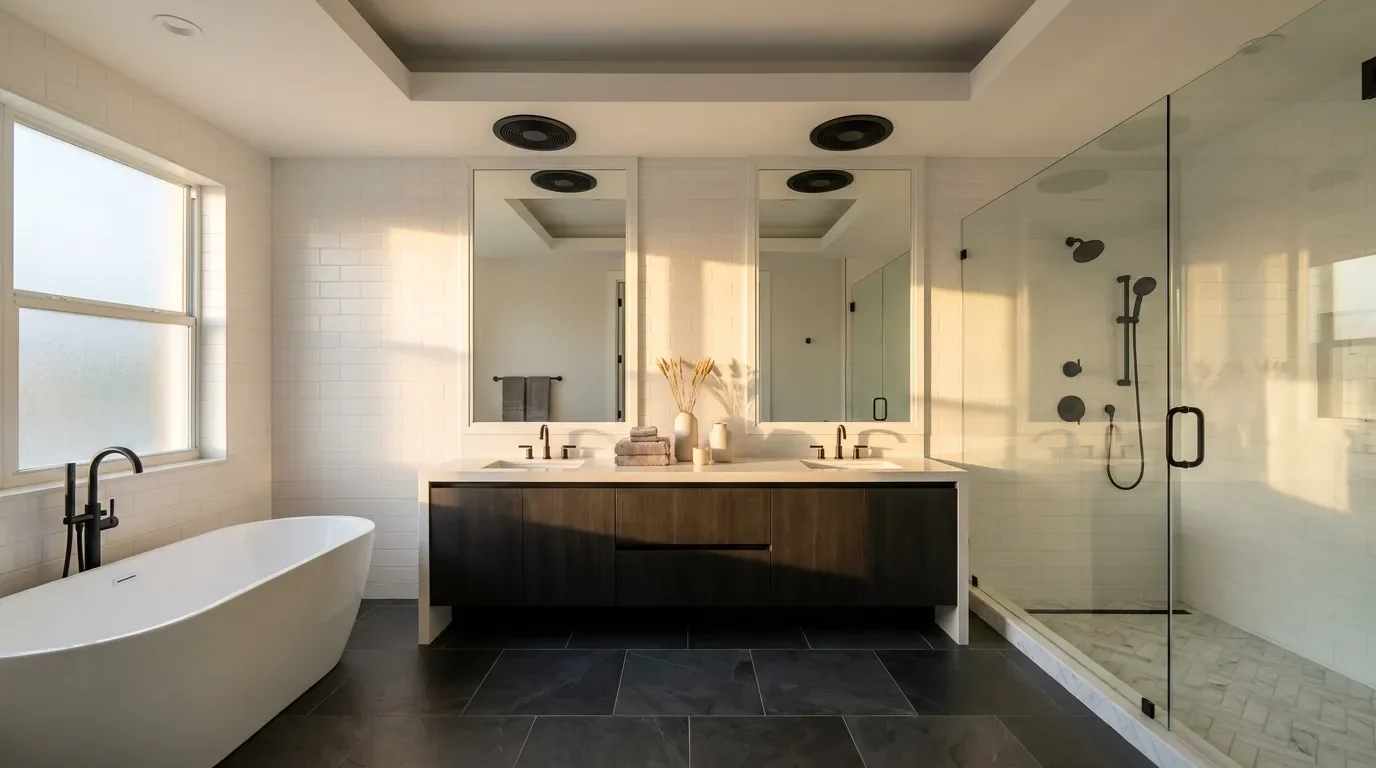
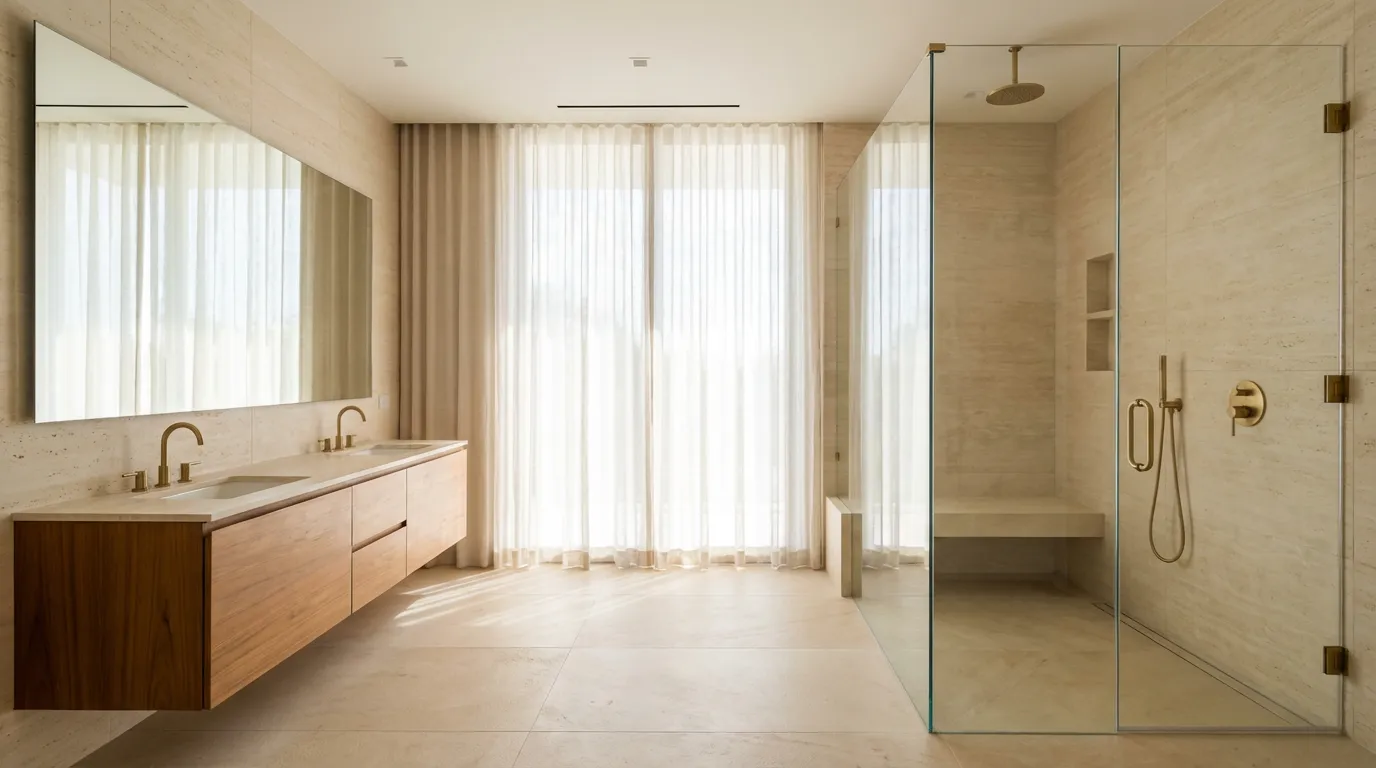
Large-format tiles are now the default choice, not the premium upgrade. Slabs in the 24×48-inch or even 48×96-inch range cut visual clutter by reducing grout lines. Fewer grout lines mean less maintenance, a huge win in humid South Florida bathrooms where grout harbors mold. Porcelain dominates this format because it is dense, non-porous, and resists the humidity swings common from summer to dry season. Homeowners doing a full bathroom remodel often pair a large-format floor tile with a matching wall slab to create a seamless, spa-like look. The result feels larger than the square footage suggests, especially valuable in the compact bathrooms common in Miami condo buildings.
Textured and matte finishes are replacing glossy surfaces across the board. Polished tile looks slick in a showroom but shows every water spot and soap film in daily use. Matte porcelain in a linen, stone, or concrete finish hides imperfections and adds grip underfoot. A safety factor that matters in walk-in showers. For homeowners considering an accessible bathroom conversion, textured floor tile with a DCOF (Dynamic Coefficient of Friction) rating above 0.42 is a code requirement under ADA Standards. That spec keeps floors slip-resistant when wet. Haven's team verifies DCOF ratings before any tile is ordered.
2026 Tile Trends Gaining Ground in Florida Bathrooms
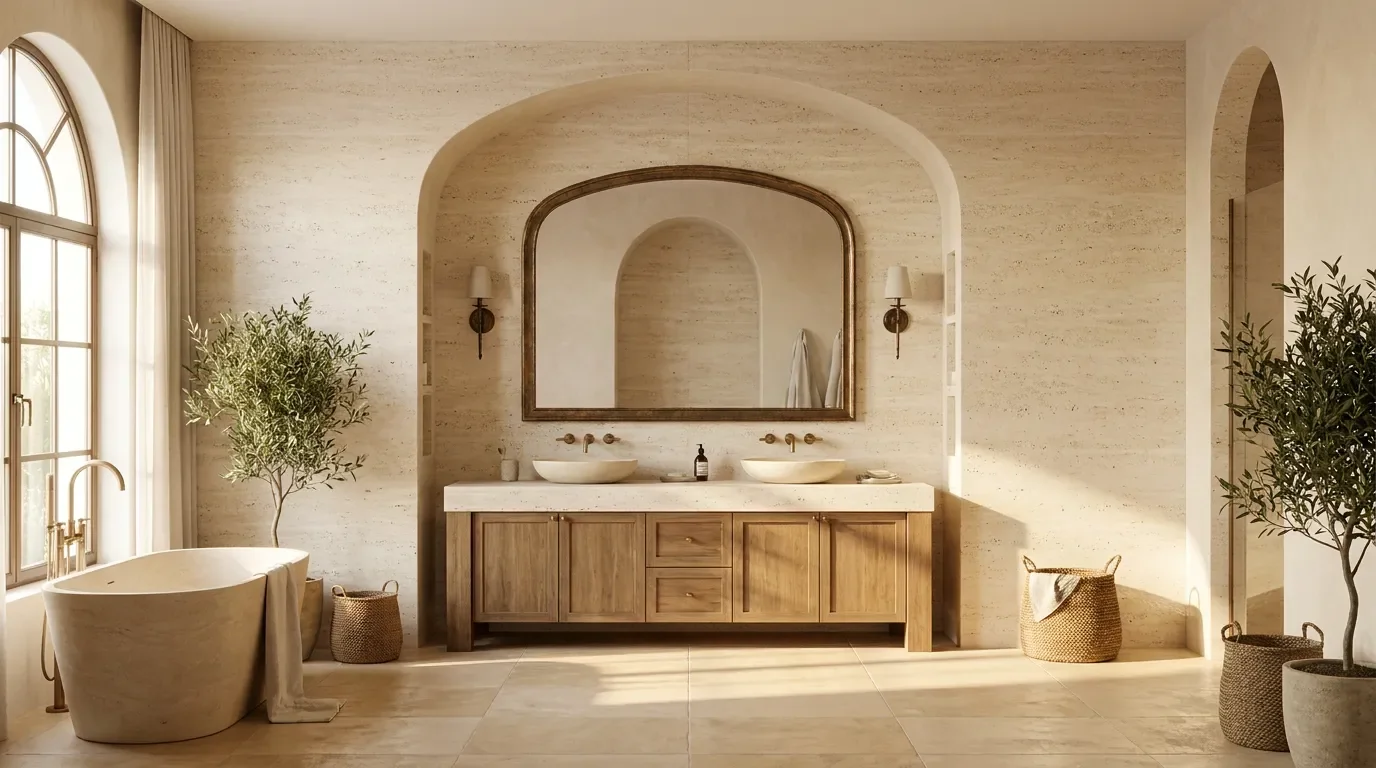
- Warm Earthy Tones: Terracotta, sand, warm taupe, and clay tones are replacing cool grays. These palettes feel natural in South Florida's tropical setting and pair well with wood-look vanities.
- Zellige and Handmade Looks: Zellige tile (a hand-pressed Moroccan ceramic with slight surface variation) brings texture and artisan character. Machine-made versions offer the look at a lower price point.
- Fluted and Ribbed Profiles: Vertical fluted tile on accent walls adds dimension without a busy pattern. It works especially well in walk-in showers as a feature wall behind the showerhead.
- Terrazzo Revival: Terrazzo, a composite of marble chips set in cement or resin. Is back in a big way. Modern versions come in tile format and pair well with Miami's Art Deco heritage.
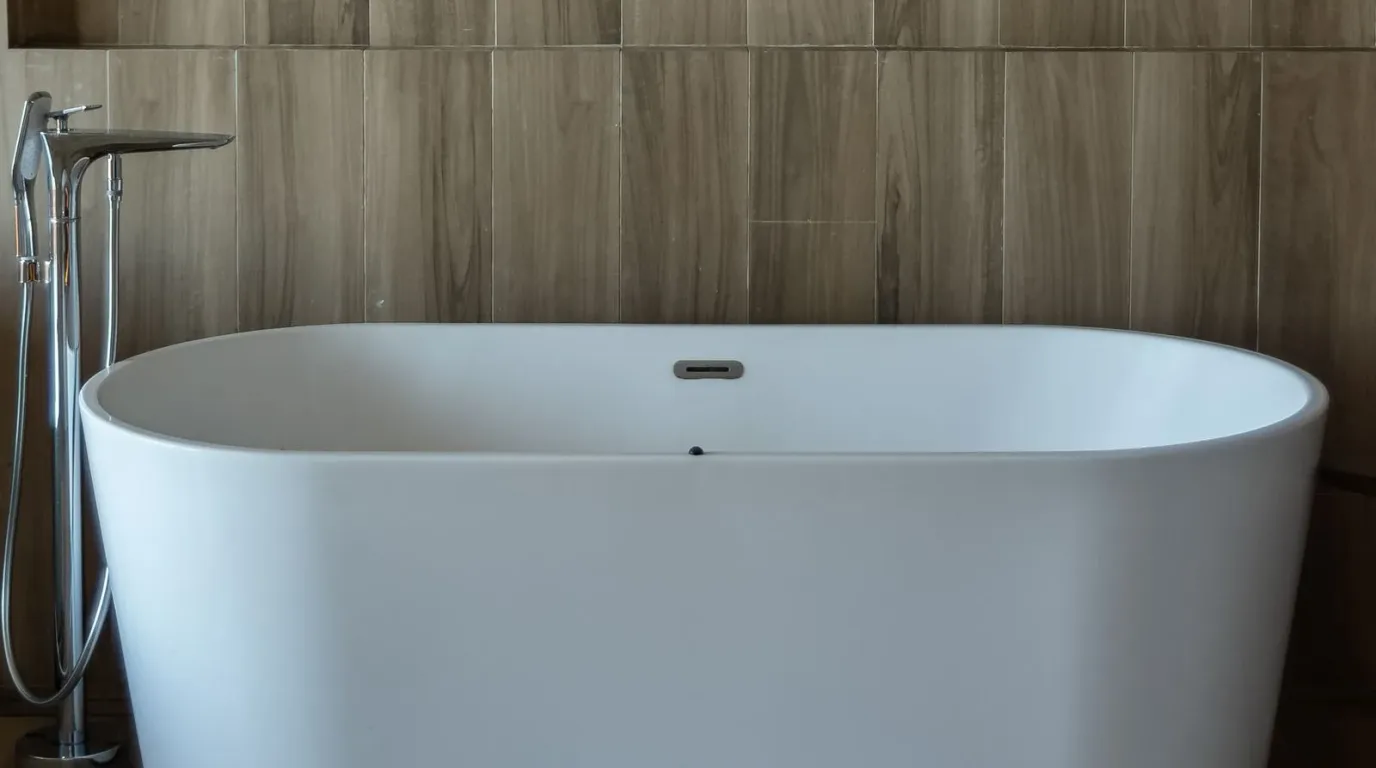
- Porcelain Wood Looks: Wood-look porcelain gives the warmth of timber without the moisture risk. It's a smart choice for bathroom floors where real wood would warp within a few months in Florida's humidity.
How Tile Size and Layout Affect Your Space
Tile layout is as important as tile selection. A 12×24-inch tile laid in a vertical stack bond pattern makes ceiling heights feel taller, useful in older Coral Gables or Homestead homes with lower ceilings. A large-format 24×48 tile laid horizontally makes narrow bathrooms feel wider. Diagonal layouts add energy to small powder rooms but require more cuts and more labor. Your installer's skill matters as much as the material itself. Improper back-buttering (applying mortar to the back of the tile before setting it) causes hollow spots that crack under foot traffic. Haven's tile setters are trained on Schluter Systems installation methods, which include full mortar coverage and membrane integration at every seam.
Grout color is the final variable most homeowners underestimate. Matching grout to the tile creates a monolithic look that makes a room feel larger. Contrasting grout draws the eye to the grid pattern. A bold choice that works with geometric formats. Epoxy grout (a two-part resin formula that resists staining and cracking) is now the standard for South Florida showers. It costs more than sanded grout, but it does not absorb moisture and lasts two to three times longer. For a walk-in shower in a high-use bathroom, epoxy grout is the right call every time.
Porcelain vs. Ceramic: Which Tile Wins in Florida?
| Feature | Porcelain | Ceramic |
|---|---|---|
| Water Absorption | < 0.5% (nearly impervious) | 0.5–3% (absorbs more moisture) |
| Durability | PEI 4–5 rated; handles heavy foot traffic | PEI 1–3; better for wall use |
| UV & Fade Resistance | Excellent for sunny Florida interiors | Can fade near skylights or sun-facing windows |
| Weight | Heavier; may need floor evaluation | Lighter; easier for DIY handling |
| Cost | $3–$12/sq ft material cost | $1–$5/sq ft material cost |
| Best Use | Floors, showers, large-format walls | Backsplashes, accent walls, dry areas |
How to Plan a Tile Remodel: A Step-by-Step Guide
- Set Your Budget First: Material and labor costs vary widely. Budget $15–$40 per square foot installed for quality porcelain in South Florida. Check our bathroom remodel cost guide for a full breakdown by project type.
- Choose Your Format and Finish: Decide on tile size before selecting color. Large-format tiles need a flatter substrate. Textured matte finishes work best for floors. Glossy or semi-gloss work on walls above the splash zone.
- Confirm Waterproofing Plans: Ask your contractor which membrane system they use. In Florida wet areas, a sheet-applied or foam-based waterproofing membrane behind the tile is a code requirement, not an optional upgrade.
- Order 10–15% Extra Material: Cuts, breakage, and future repairs require extra tile. Order overage before the project starts. Tile dye lots change, and matching a tile from two years ago is nearly impossible.
- Verify the Installer's License: Florida requires licensed contractors for bathroom remodels involving plumbing or structural work. Verify any contractor through the DBPR license lookup before signing a contract.
City-Specific Trends Across Haven's Service Area
Tile preferences vary by neighborhood across South Florida. In Miami Beach, homeowners lean into the city's Art Deco roots with terrazzo floors and jewel-tone mosaic accents. The Miami Beach full remodel projects Haven completes often feature warm cream and coral tones that echo the historic architecture. In Coral Gables, where Spanish Mediterranean style is common, encaustic cement tile (a hand-poured cement tile with geometric patterns baked in color) sees steady demand. Haven's Coral Gables bathroom crews are familiar with the permit process in that city, which can add a week or two to project timelines.
In newer developments in Doral and Kendall, homeowners tend to favor clean, contemporary formats, large-format porcelain in cool whites and soft grays that align with open-plan interiors. These are typically tub-to-shower conversions where the goal is a modern, low-maintenance shower with minimal grout lines. Our spa bathroom design ideas post covers how to carry those material choices from the shower into the broader bathroom design. Whatever the city, the tile selection process starts with understanding the substrate, the moisture exposure, and the building code, not the trend itself.
Bathroom Tile and Mold: The Florida Homeowner's Risk
Mold is the top complaint Haven receives from homeowners calling about failed tile jobs. It almost always traces back to one of three installation errors: missing or inadequate waterproofing membrane, incorrect grout type, or gaps at transitions (where the tile meets the tub lip or shower pan). Florida's humidity keeps relative indoor moisture levels high even with air conditioning running. A small crack in grout allows water to wick behind the tile over weeks. Once moisture hits the backer board or framing, mold grows fast. Our Florida bathroom mold prevention guide covers the full scope of prevention strategies.
The fix for a mold problem is not re-caulking. It is removing the affected tile, replacing the backer, applying a proper waterproofing membrane, and re-tiling. That is a $2,000–$6,000 repair that the original installation should have prevented. Choosing the right tile is important. But choosing the right installer, one who treats waterproofing as the foundation of every tile job, matters more.