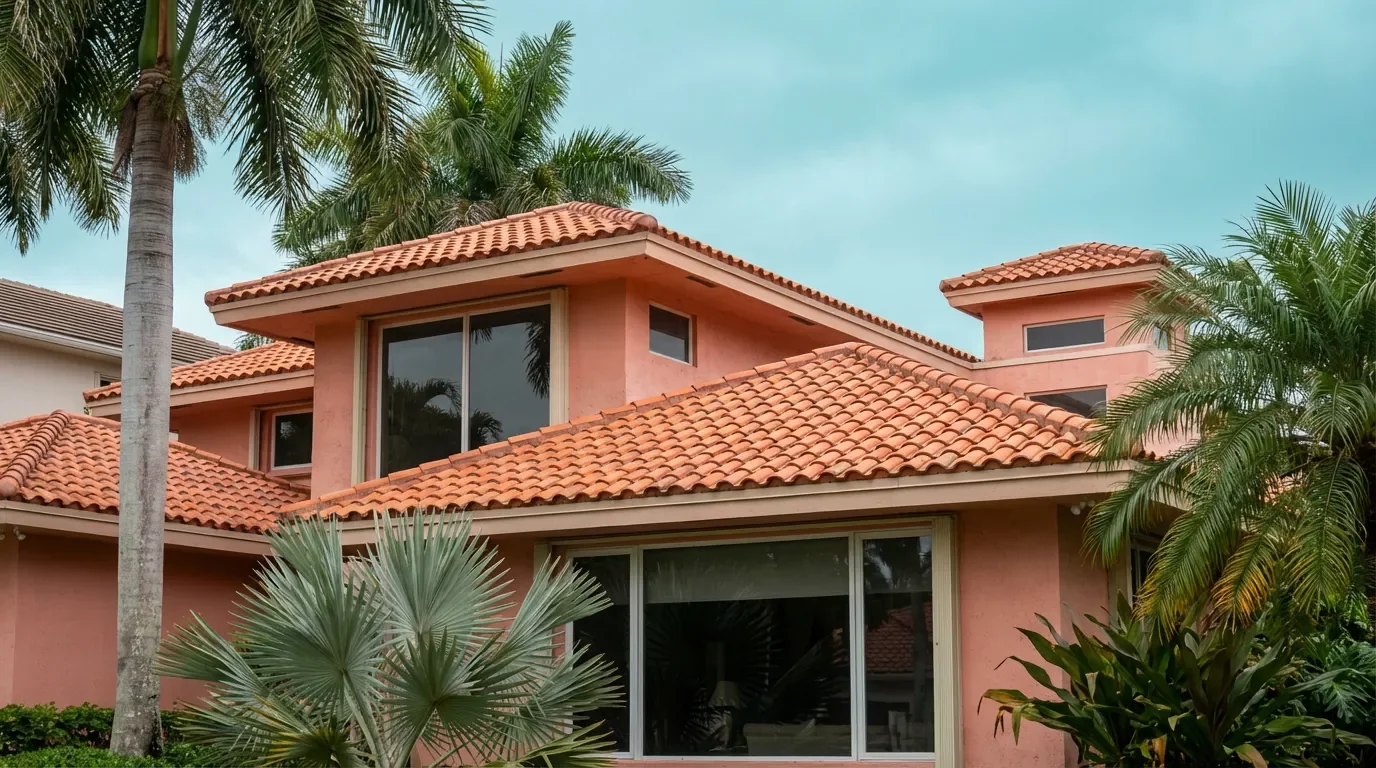
What Is EPDM Roofing and How Does It Work?
EPDM roofing is a single-ply rubber membrane made from ethylene, propylene, and diene monomer, petroleum-based compounds vulcanized into a flexible sheet.
It is installed on flat or low-slope roofs (those with a pitch below 2:12) and comes in rolls that are either fully adhered, mechanically fastened, or ballasted with stone. Seams are bonded with contact cement or self-adhesive tape, creating a watertight surface across the entire deck.
EPDM has been used commercially since the 1960s and is now common in residential applications throughout South Florida. The material is available in two colors: black and white. Black EPDM absorbs heat. White or light-grey EPDM (coated versions) reflects solar energy, which matters a great deal in Miami-Dade County where rooftop surface temperatures can reach 175°F in summer.
For homeowners comparing flat-roof options, EPDM sits alongside TPO roofing and modified bitumen roofing as the three dominant single-ply systems. Each has real strengths. EPDM's edge is its proven long-term flexibility and resistance to ozone and UV degradation.
EPDM Roofing Performance in South Florida's Climate
South Florida's climate is one of the hardest environments for any roofing material. You have intense UV exposure year-round, salt air along the coast, heavy summer rain, and hurricane-force winds from June through November.
EPDM roofing handles most of these conditions well, but not equally. On the UV front, EPDM is excellent. The rubber compound resists ozone and ultraviolet degradation far better than asphalt-based products. That's why it was originally developed for commercial roofs in sun-belt states. Salt air corrosion, a real problem for metal fasteners in Miami Beach and coastal areas, barely affects EPDM since the membrane itself has no metal components.
Wind resistance is where EPDM requires careful attention. Florida Building Code HVHZ (High-Velocity Hurricane Zone) requirements apply to all of Miami-Dade and Broward counties. These standards mandate that roofing systems achieve a Miami-Dade Notice of Acceptance (NOA), an engineering approval that confirms the system can withstand 175+ mph wind uplift. Fully adhered EPDM systems, when installed with approved adhesive and fastening patterns, can meet NOA requirements. Mechanically fastened EPDM is less common in HVHZ because uplift resistance depends heavily on fastener spacing. Always verify that your contractor uses NOA-approved materials. You can check product approvals directly through the Miami-Dade product approval database.
Key Advantages of EPDM Roofing
- Long service life: A well-maintained EPDM roof lasts 20 to 30 years. That's competitive with TPO and longer than most asphalt coatings on flat roofs.
- Excellent UV resistance: EPDM roofing naturally resists ozone and ultraviolet breakdown. This is a major advantage in South Florida where UV index averages 10+ from April through October.
- Flexible in temperature swings: The rubber membrane stays flexible from below freezing to 300°F. It handles thermal expansion without cracking, a real problem for rigid materials on flat decks.
- Relatively low upfront cost: EPDM typically costs $4–$8 per square foot installed. That's often $1–$2 per square foot less than TPO or modified bitumen on comparable projects.
- Simple repairs: Punctures and seam separations are easy to patch with EPDM-compatible tape or liquid sealant. Most repairs take under an hour and cost very little.
EPDM vs. TPO vs. Modified Bitumen: Which Is Best for You?
Choosing between flat-roof systems comes down to budget, aesthetics, and your specific roof conditions.
EPDM roofing is the most affordable entry point. It's a proven performer with decades of real-world data behind it. TPO (Thermoplastic Polyolefin) is newer and offers better heat reflectivity straight from the roll, no coating required. Modified bitumen uses asphalt-based layers and is a familiar choice for contractors who came up through built-up roofing.
For homeowners in Homestead or Kendall with large flat additions or low-slope garage roofs, EPDM is often the most cost-effective solution. For coastal properties where energy efficiency is the priority, white TPO may edge it out. If you want to dig deeper on material comparisons, our guide on the most durable roofing materials covers the full spectrum.
The condition of your existing roof deck also matters. EPDM can be installed over a single existing layer in many cases, which reduces tear-off costs. Always have a licensed contractor inspect the deck before deciding. Rotted or wet insulation underneath must be replaced. No membrane will perform well over a compromised substrate.
EPDM vs. TPO: Side-by-Side Comparison
| Feature | EPDM Roofing | TPO Roofing |
|---|---|---|
| Material | Synthetic rubber (thermoset) | Thermoplastic polymer blend |
| Standard color | Black (white coatings available) | White or light grey |
| Heat reflectivity | Low (black) / Moderate (coated) | High: reflects 70–80% of solar energy |
| Typical installed cost | $4–$8 per sq ft | $5–$10 per sq ft |
| Expected lifespan | 20–30 years | 15–25 years |
| NOA availability in HVHZ | Yes, fully adhered systems | Yes, heat-welded seams required |
| Repairability | Very easy: tape or liquid patch | Moderate: heat gun needed for seams |
How EPDM Roofing Is Installed in South Florida
Permit and Inspection
Every residential roof replacement in Florida requires a permit pulled from your local building department. In Miami-Dade, the permit process confirms that materials carry NOA approval before any work begins. A typical Haven roof replacement runs 4 to 6 weeks from permit pull to final inspection.
Tear-Off and Deck Inspection
The existing roofing material is removed. The installer inspects the roof deck for rot, soft spots, or wet insulation. Damaged sections are replaced before any new material goes down.
Insulation Layer
Polyiso or EPS foam insulation boards are secured to the deck. This layer improves thermal performance and creates a smooth substrate for the EPDM sheet.
Membrane Installation
EPDM rolls are cut to size, unrolled across the deck, and adhered with water-based or solvent-based contact adhesive. Seams overlap by at least 3 inches and are bonded with seam tape or splice adhesive.
Flashing and Termination
Perimeter edges, penetrations (vents, pipes, HVAC curbs), and parapet walls receive EPDM flashing and metal termination bars. This is where most leaks originate if the work is rushed. Proper detailing is critical.
How Long Does EPDM Roofing Last in Florida?
With routine maintenance, EPDM roofing lasts 20 to 30 years in South Florida. That's a strong result given the heat, UV, and storm exposure the region delivers.
The biggest threats to longevity are ponding water, seam failure, and physical punctures from foot traffic or falling debris. Ponding water (standing water that remains 48 hours after rain) is the number-one enemy of any flat roof. It accelerates seam degradation and can work its way through even a well-installed membrane over time. If your roof has drainage problems, address them before installation. Our article on how long a roof lasts in Florida covers this in more detail for all roof types.
Annual inspections are the best investment you can make. A certified inspector can spot seam bubbles, flashing separations, or minor punctures before they become leaks. The Florida Building Code requires that all roof repairs and replacements be performed by a licensed contractor. Verify any roofer's license through the DBPR license lookup before signing anything. For guidance on vetting contractors, see our how to choose a roofing contractor guide.
EPDM Roofing Costs in South Florida
EPDM roofing costs vary based on roof size, system type, and deck condition. Fully adhered systems, the most common in HVHZ, run $5 to $8 per square foot installed.
Ballasted systems are cheaper but rarely approved for high-wind zones. For a 1,500 square foot flat roof in Miami, expect a total project cost between $7,500 and $12,000 including tear-off, insulation, and permits.
For a full breakdown of what roofing projects cost in South Florida, see our roofing cost guide. Costs can rise if the deck needs structural repairs or if you're adding tapered insulation to fix drainage problems. Both are common in older South Florida homes built in the 1970s and 1980s.
Haven GC Aldo Dellamano advises homeowners to get at least two written bids that specify the membrane brand, NOA number, insulation R-value, and warranty terms. A low bid that omits these details is often cutting corners on materials or skipping required permits. On the Haven roofing services page, you can explore the full range of systems we install and schedule a free estimate.